Mental models
Some of these describe things I already do but didn't know had names. Others are ideas I'm still learning and trying to use. I keep them here to understand them better and share what I'm learning.
Featured
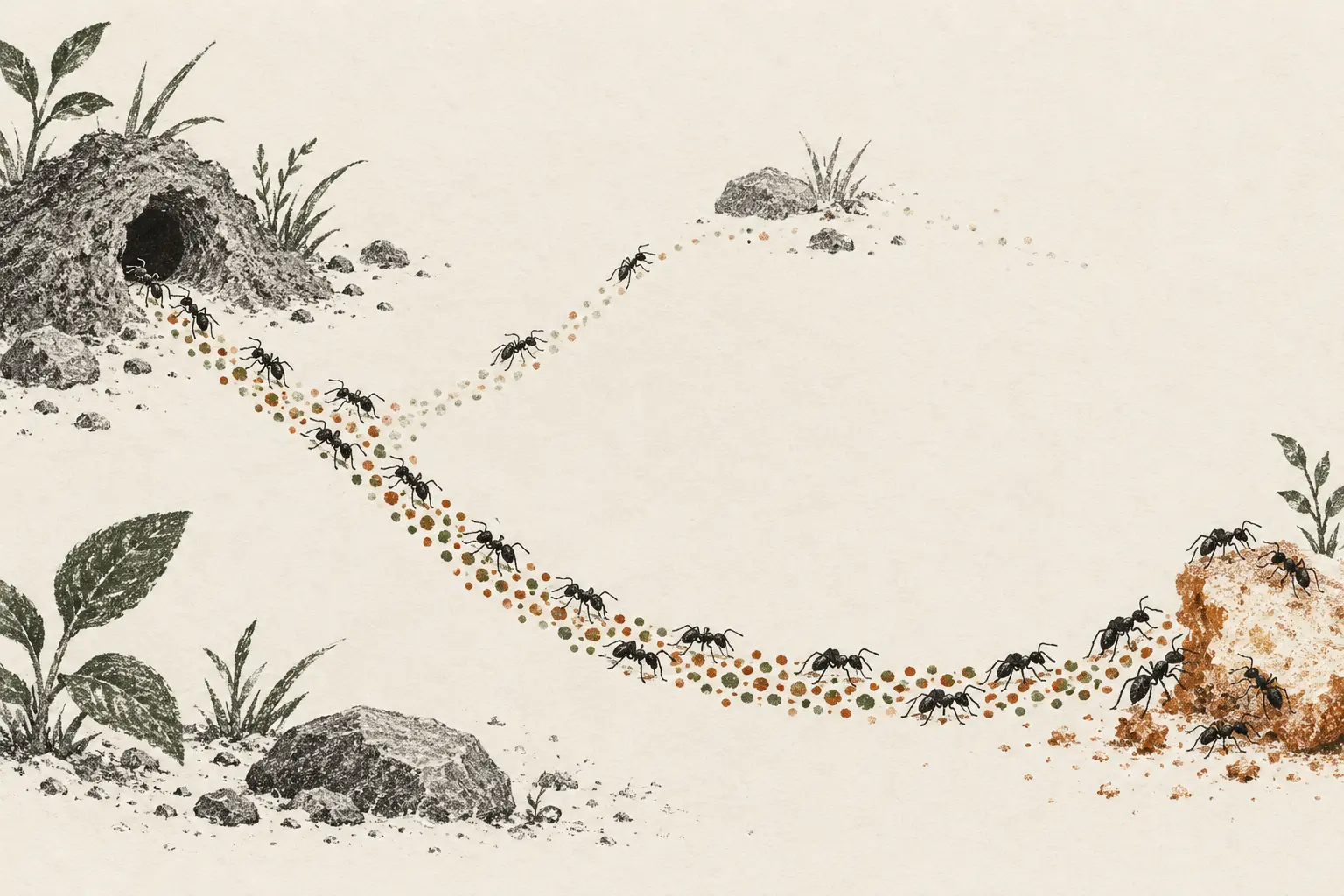
Stigmergy
People can work together with less chasing when what one person does helps the next person see what needs doing.
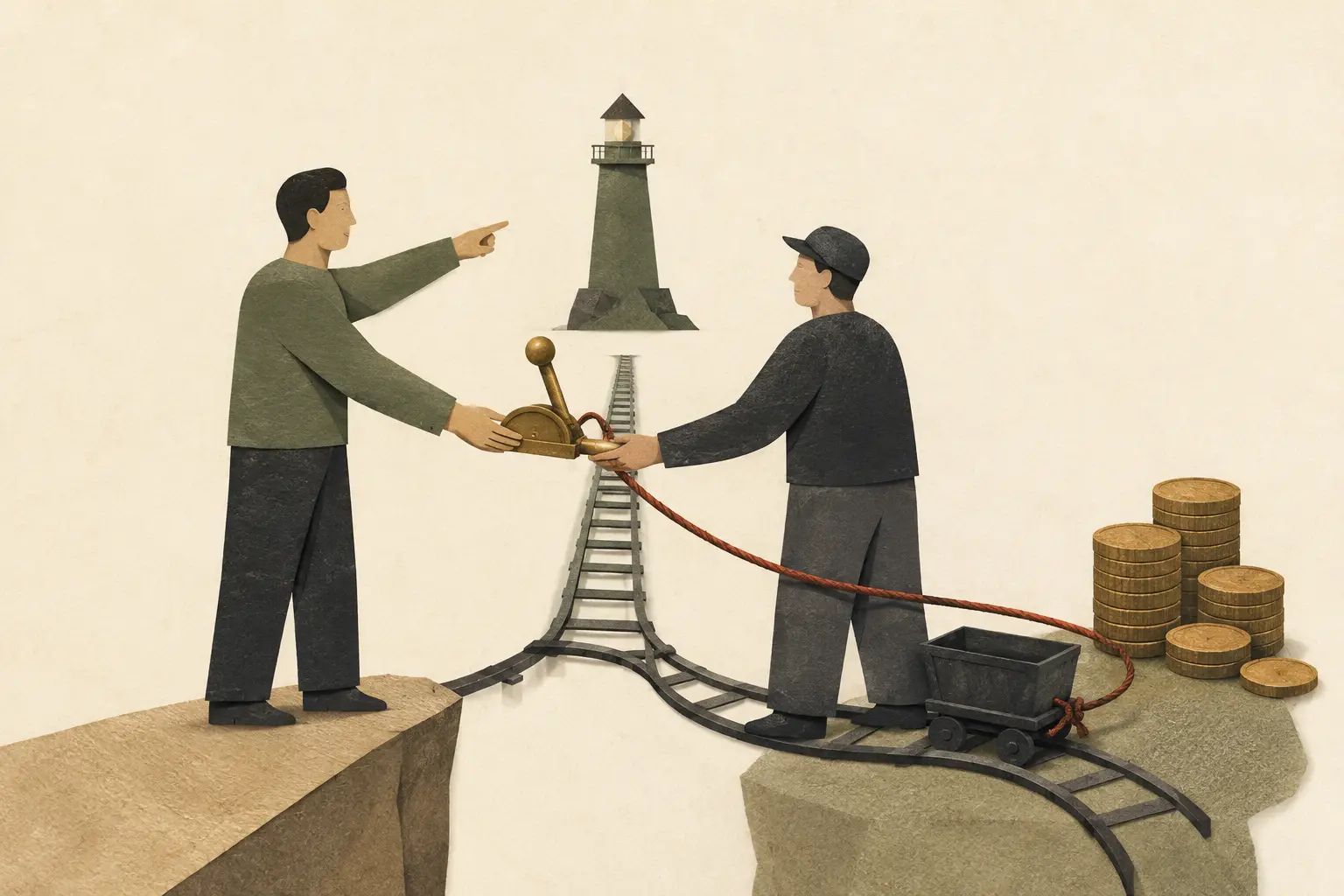
Principal-Agent Problem
Delegation gets risky when the person making the call knows more or wants something different from the person carrying the consequences.
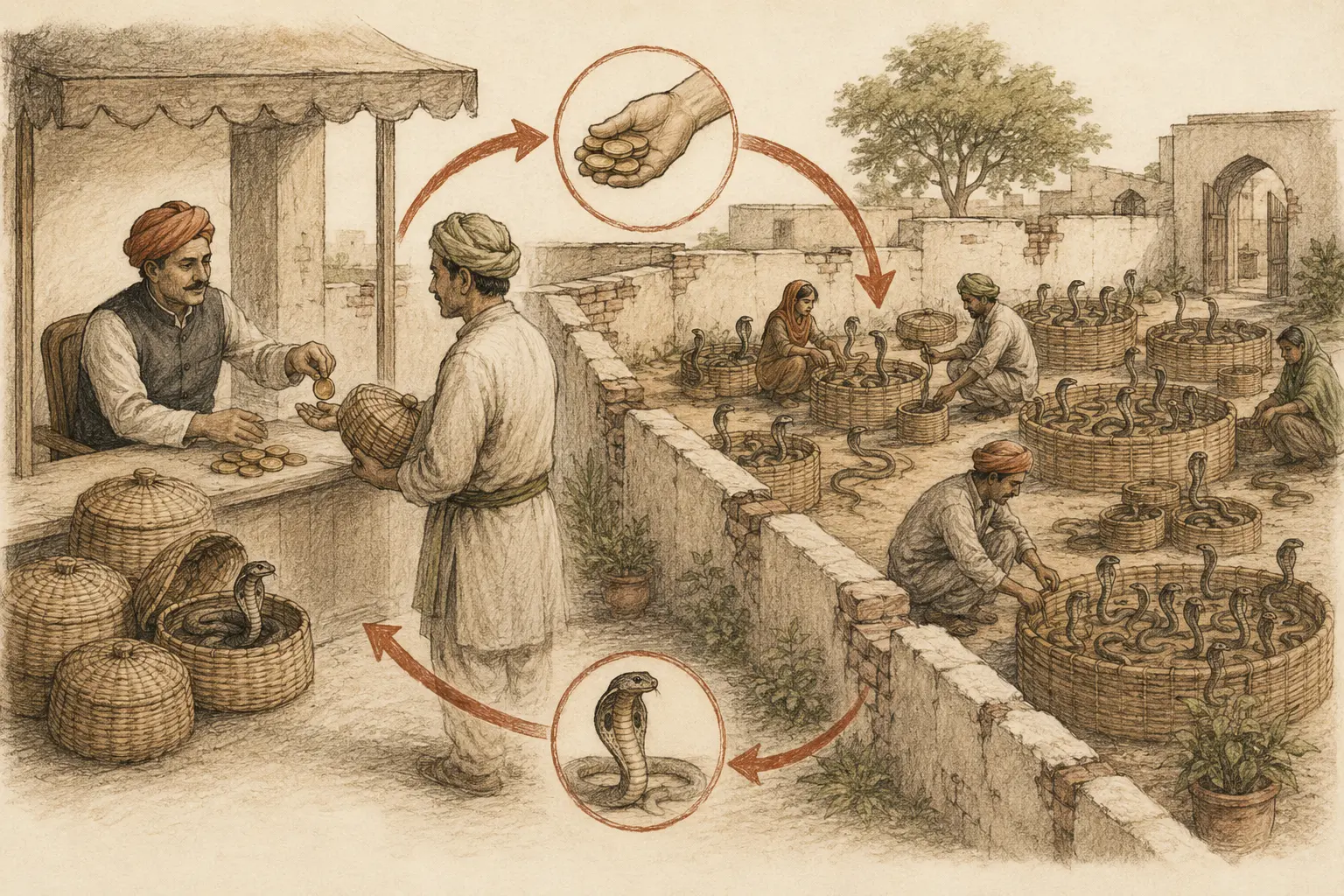
The Cobra Effect
A reward can create more of the problem it was meant to solve when people are paid for the count instead of the outcome.
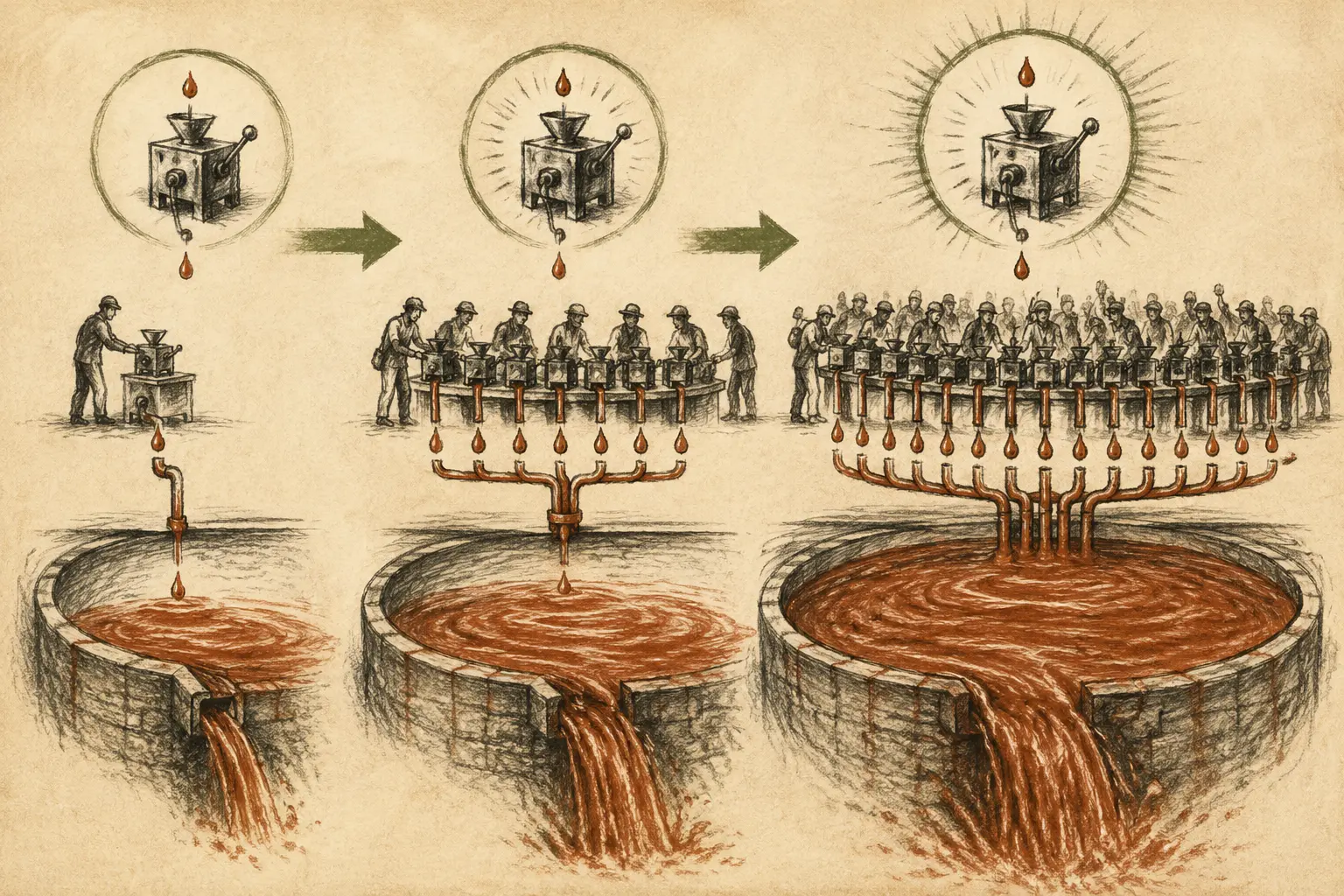
Jevons Paradox
When efficiency makes something cheaper or easier to use, demand can grow enough that total use rises instead of falling.
More models
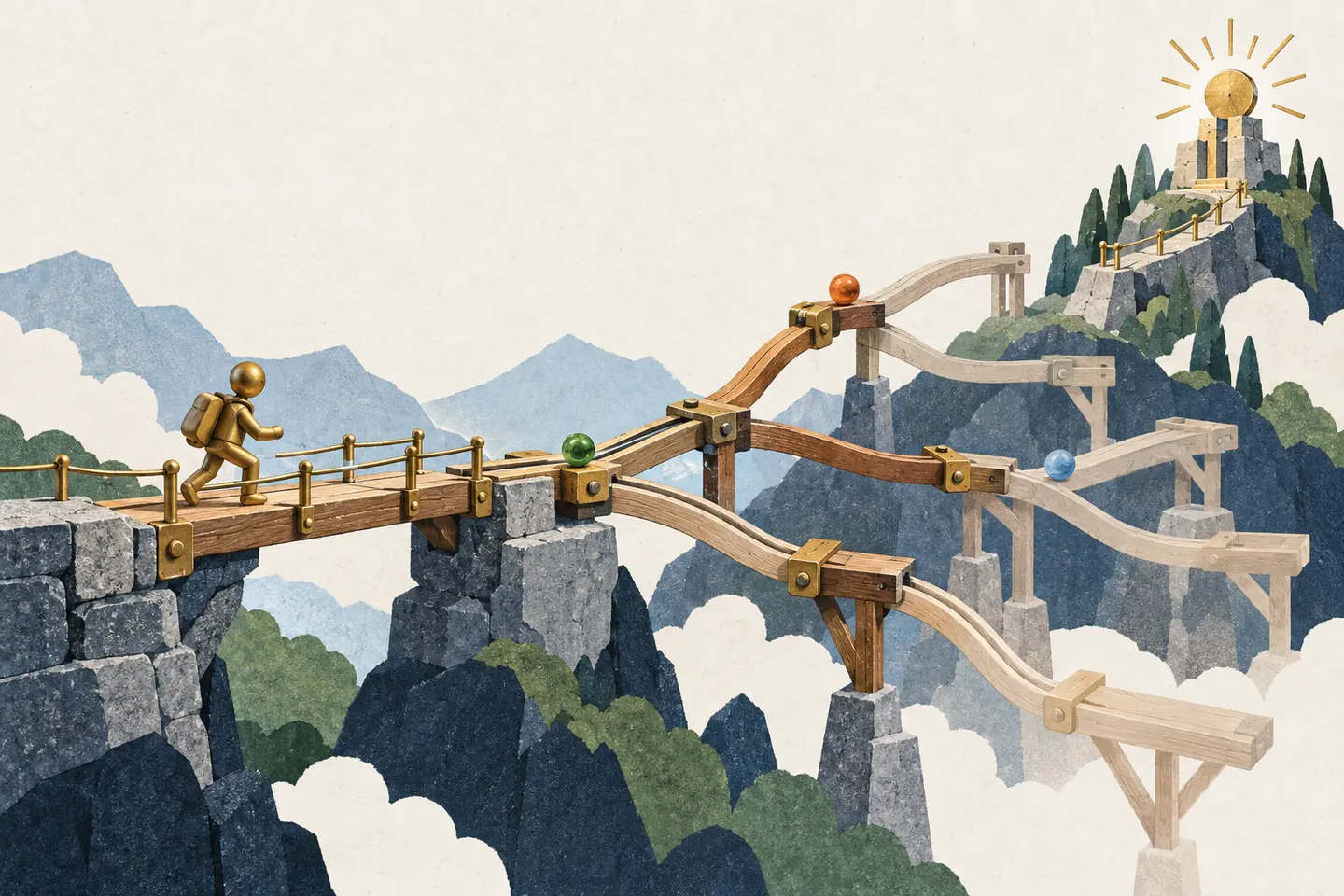
Decide what other work depends on now, and keep the remaining choices open till a test can settle them.
Principle of Least Commitment
Make the decisions people need to keep moving, then leave the rest open till evidence can settle them more cheaply.
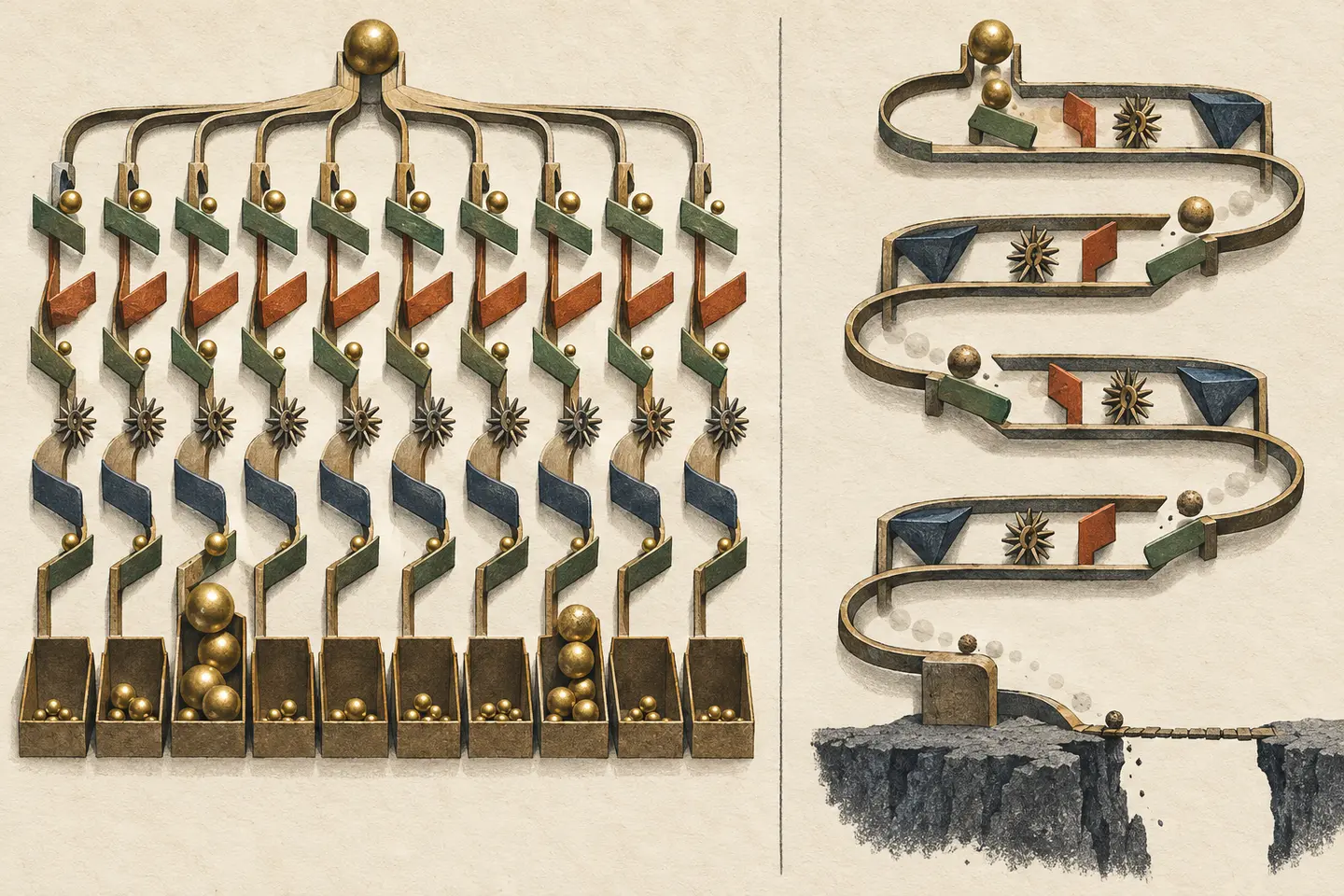
A bet can have a positive average return and still leave you unable to keep taking it.
Ergodicity
A positive average can still ruin one repeated path when each result changes what is left for the next round.
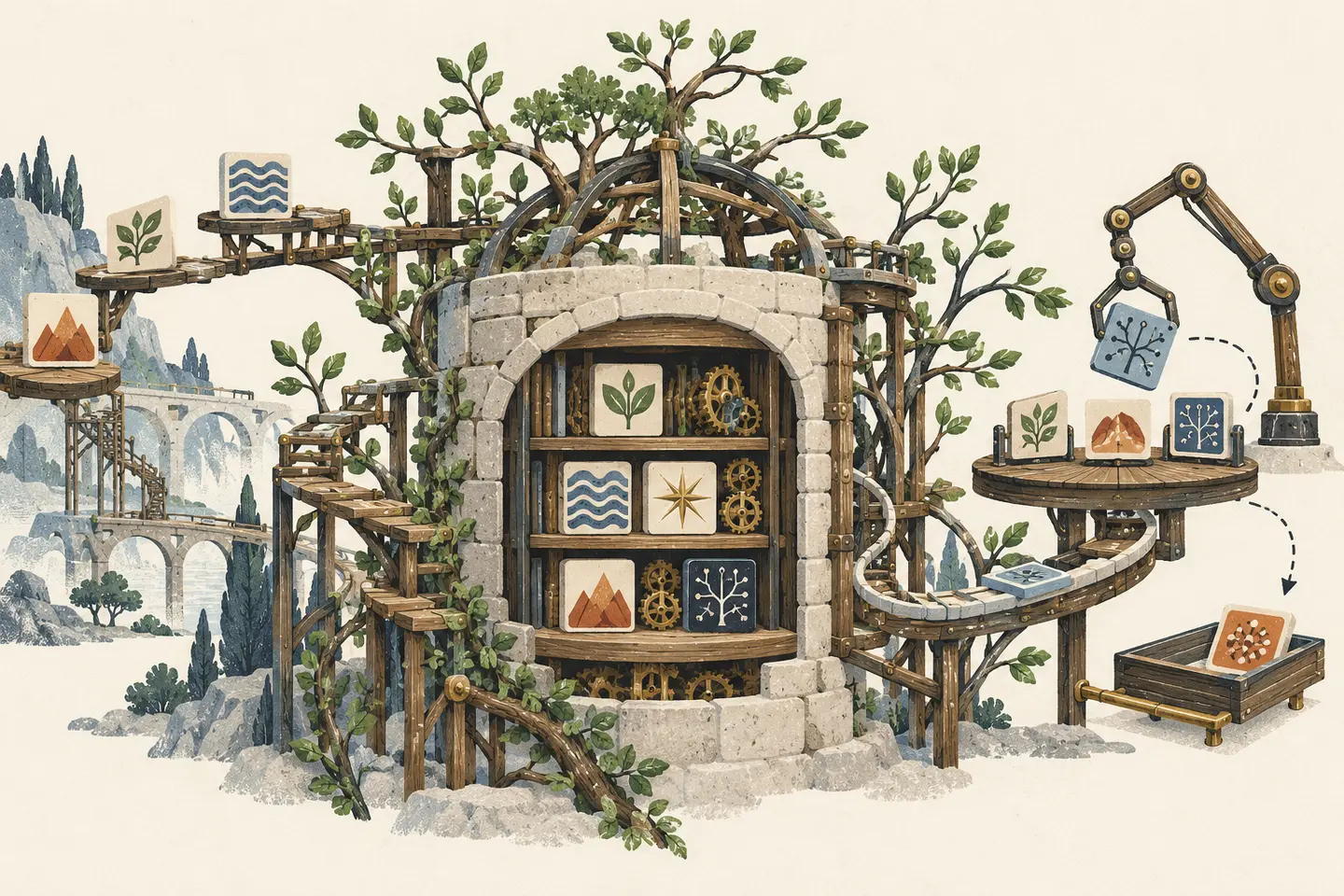
A correction should change the future without turning one strange incident into a rule for everything.
Stability–Plasticity Dilemma
A person, team or system needs to learn from new evidence without breaking the things it already knows how to do.

Making the current system better can make the move to a better design harder to justify.
Fitness Landscape
A fitness landscape shows possible designs by how well they perform, including good local answers, better distant ones and the costly transition between them.
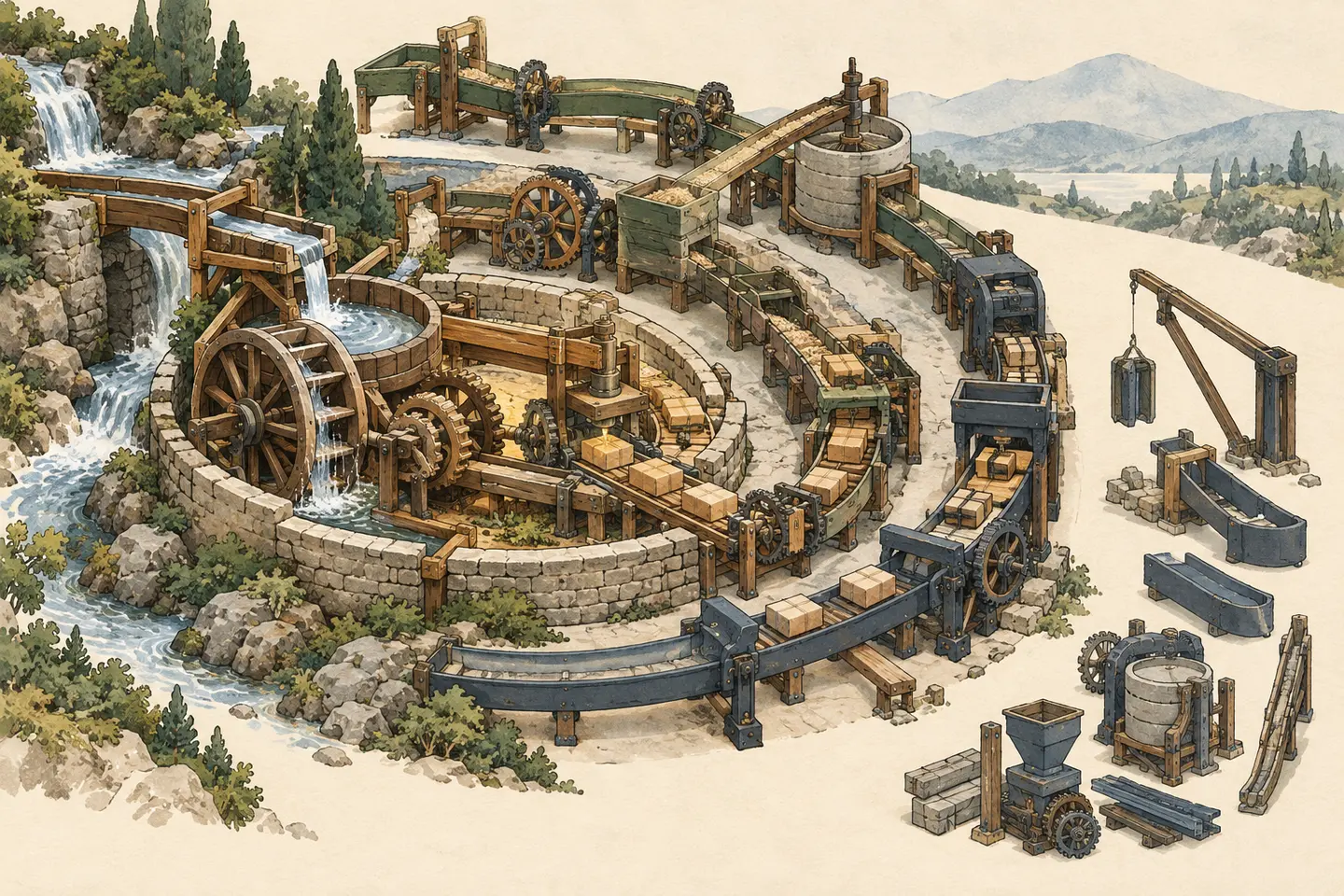
Start with one small loop that works for someone, then add parts because the loop shows you it needs them.
Gall's Law
Complex systems that work usually grow from simpler versions that already deliver one useful result reliably.
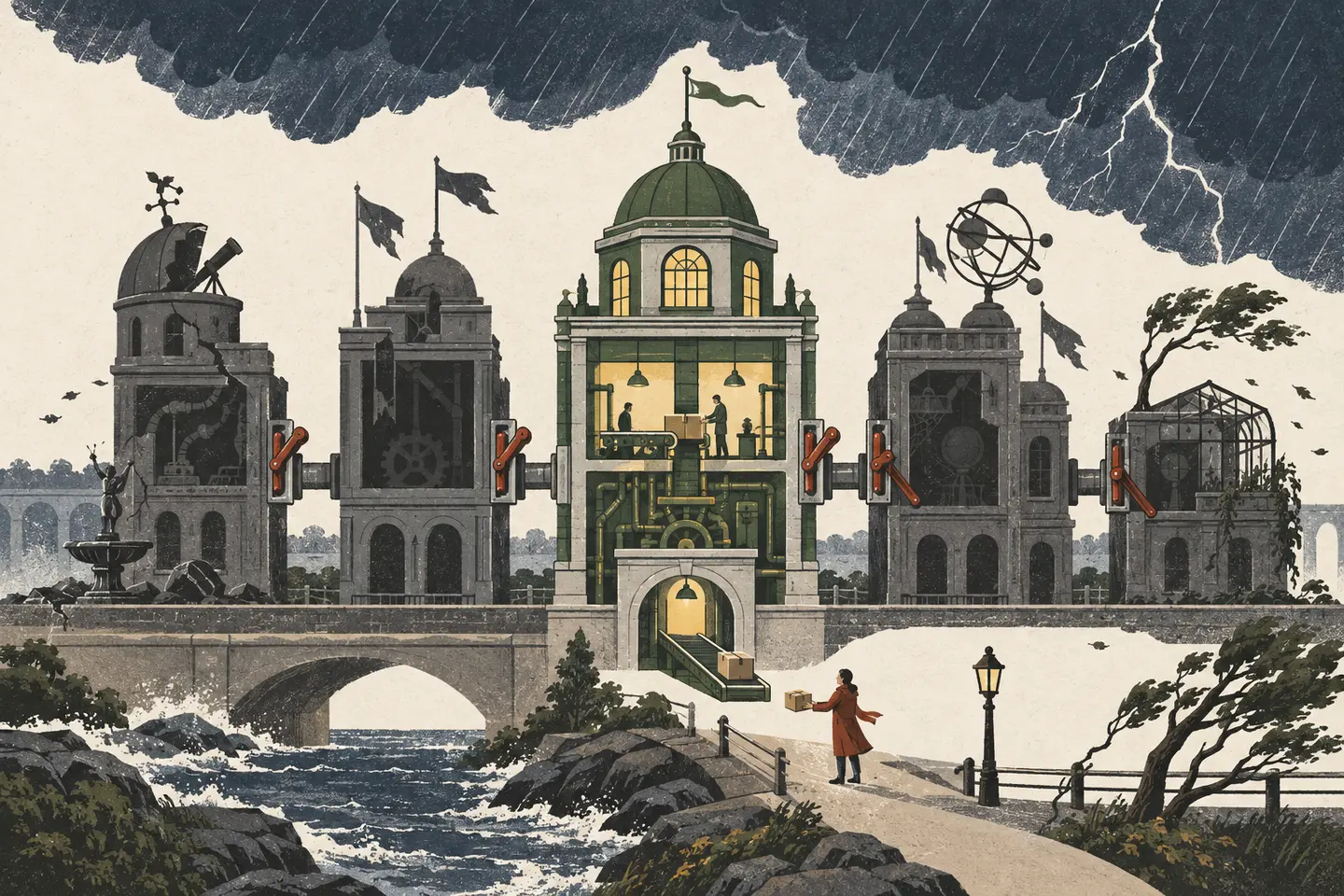
Before something fails, decide what must keep working and what can wait.
Graceful Degradation
A system degrades gracefully when it turns off lower-priority work on purpose while keeping people safe, preserving the truth of its state and protecting the service they need most.
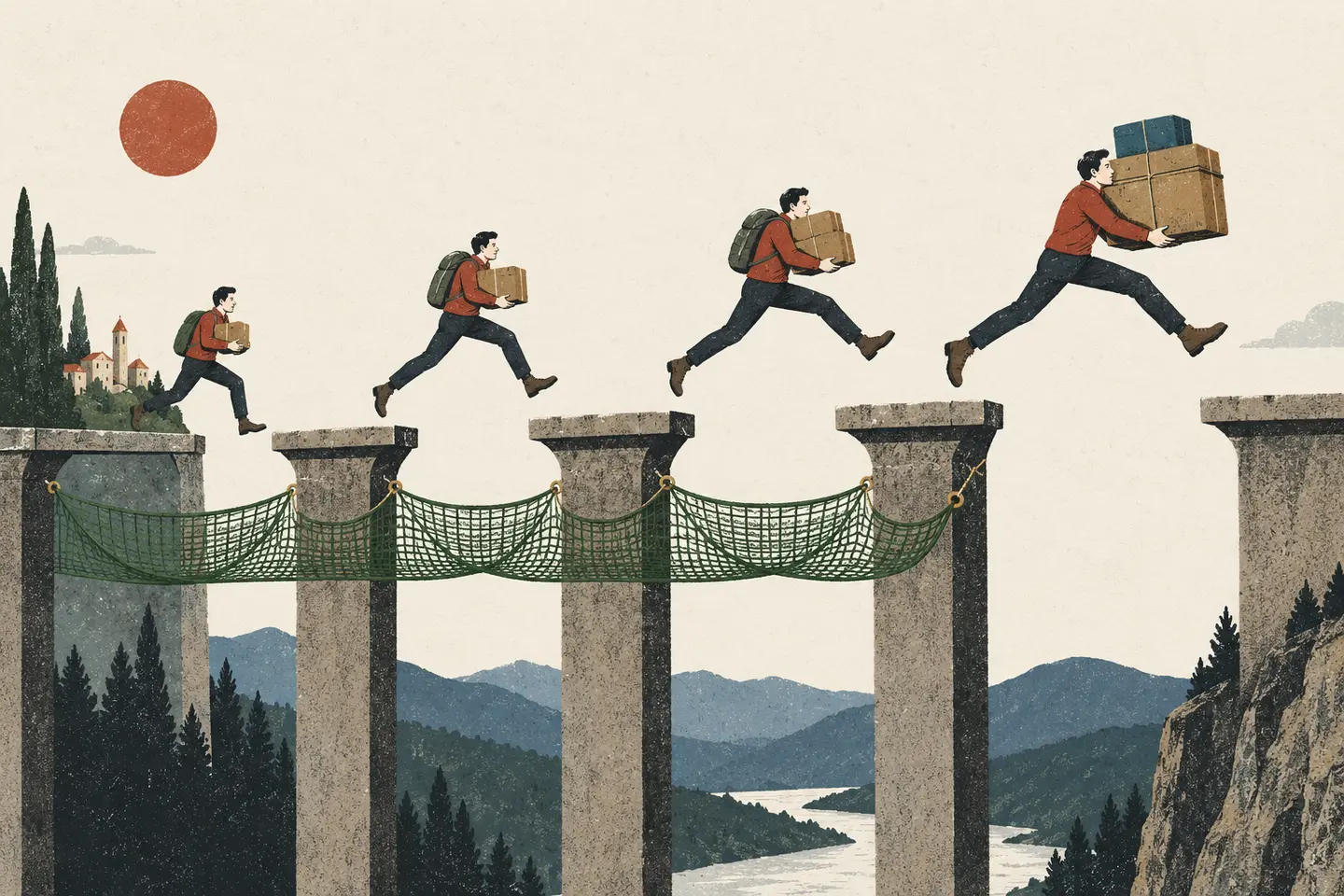
After adding a safeguard, watch what people now feel comfortable doing with it in place.
Risk Compensation
When people feel protected, they can start taking bigger chances and give back some of the safety the protection created.
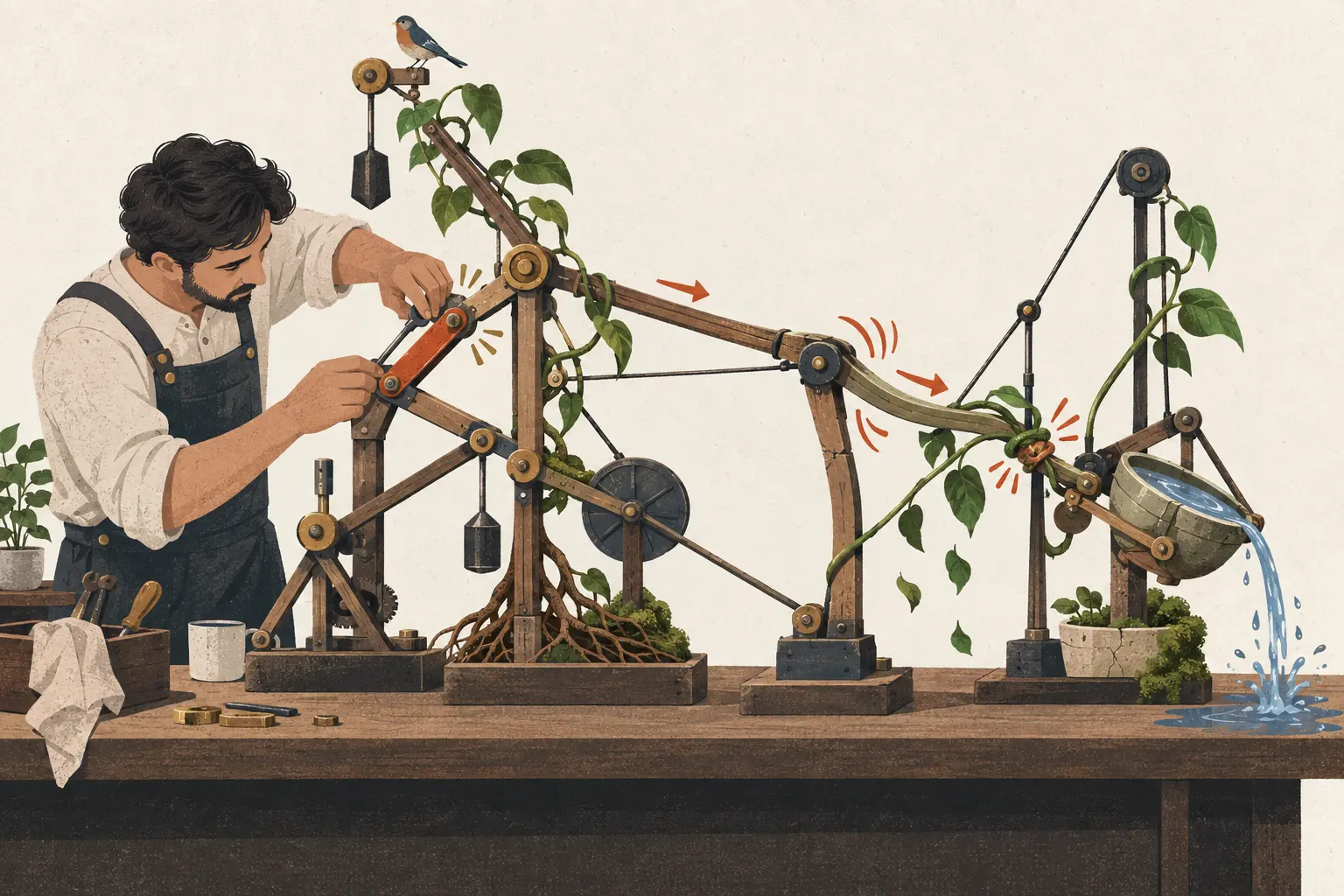
After changing a system, count the harm and work the change creates somewhere else.
Iatrogenics
A fix can reduce the problem it targets while creating direct harm, permanent work and new behaviour that leave the wider system worse.

Before you trust the plan, check how comparable work really went.
Reference Class Forecasting
Start an uncertain forecast with how similar work actually went, then adjust only for differences backed by evidence.
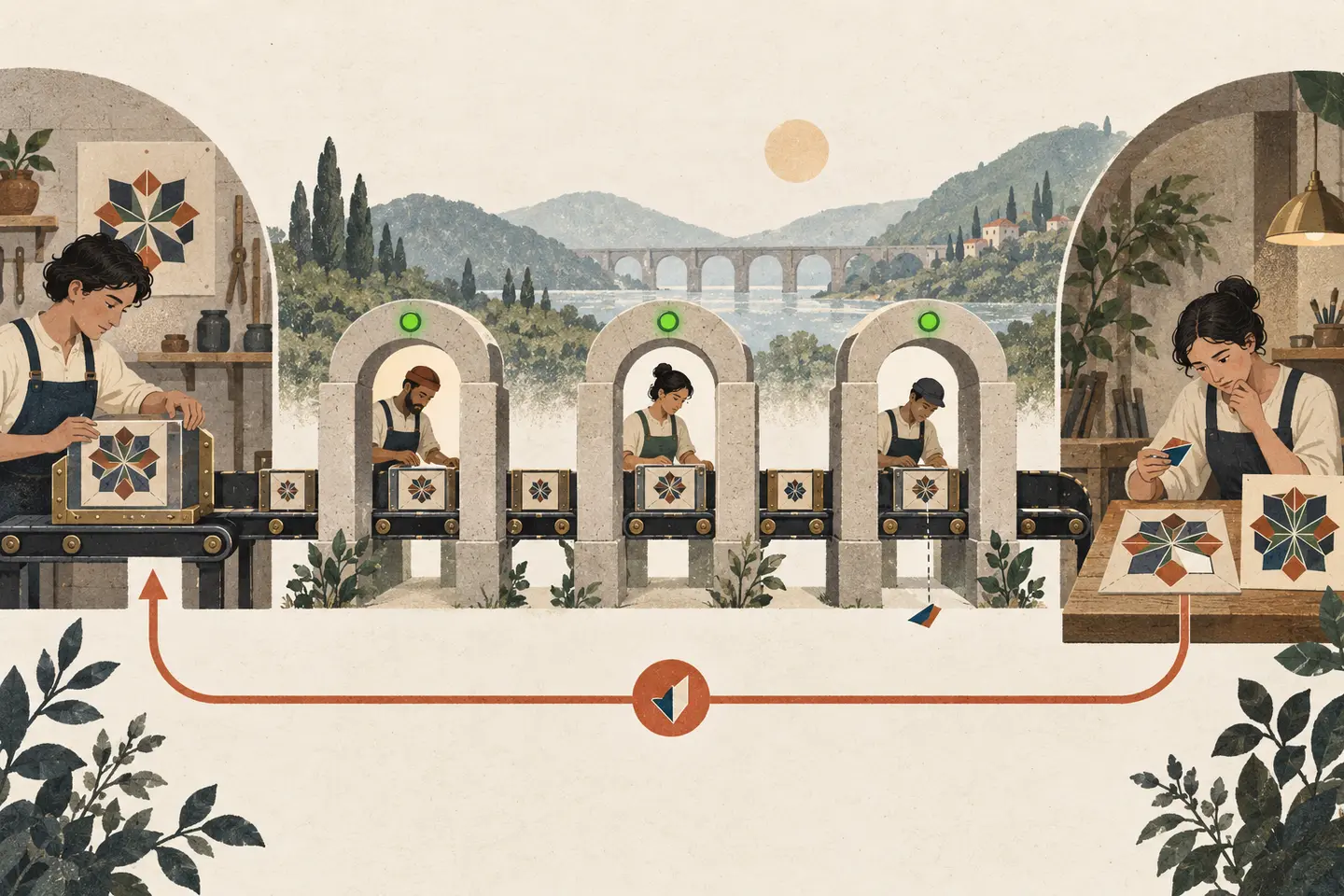
Put the final check where success can actually be known.
End-to-End Principle
Put the final check with the person or system that can see whether the promised result really happened.
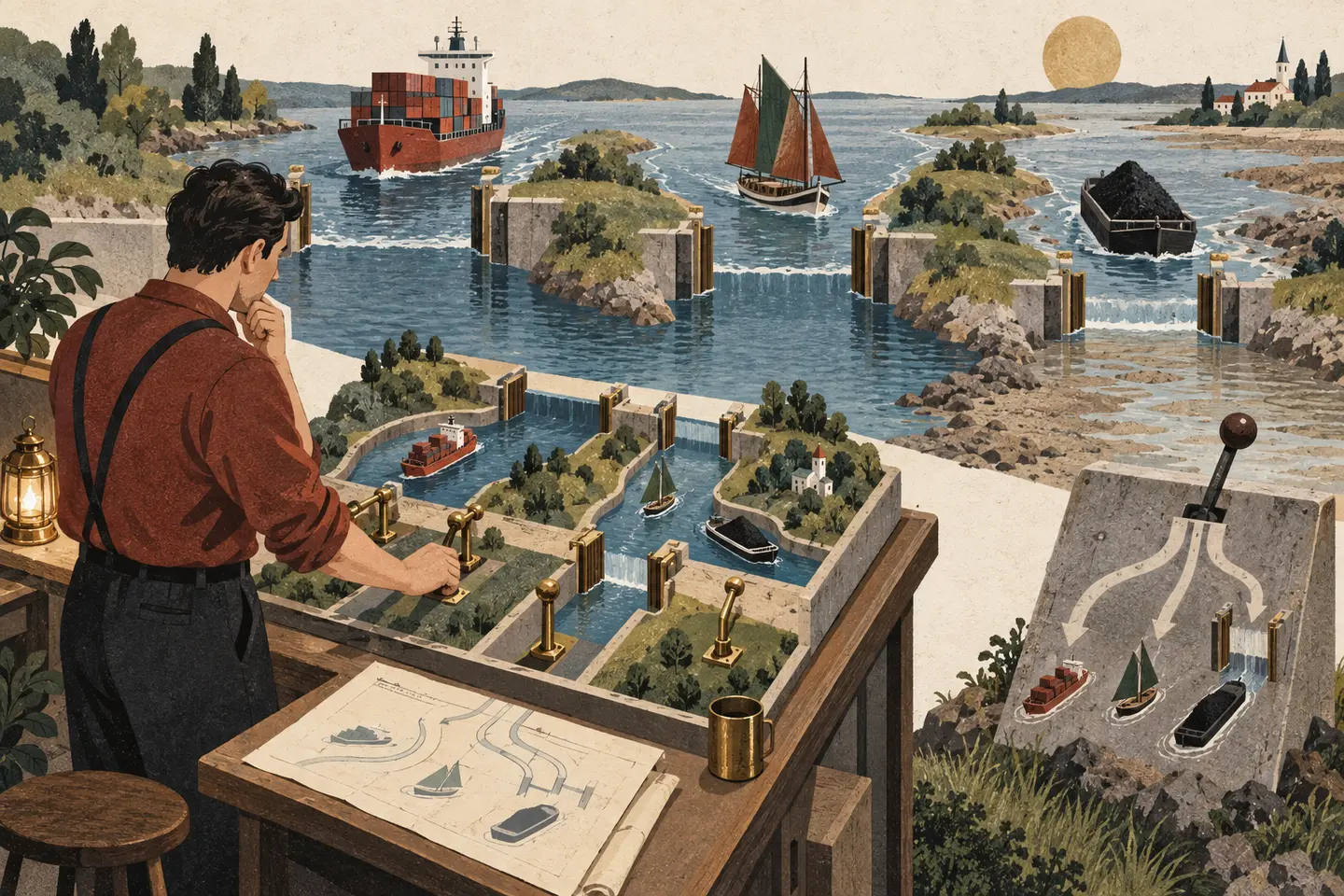
More choices do not help if the system cannot see which choice fits the situation.
Good Regulator Theorem
A controller needs enough of the right information to tell when two situations need different responses.

Fix the immediate problem, then check whether the rule behind it keeps creating the same problem.
Double-Loop Learning
Use feedback to fix the action, then change the rule behind it when that rule keeps creating the same failure.
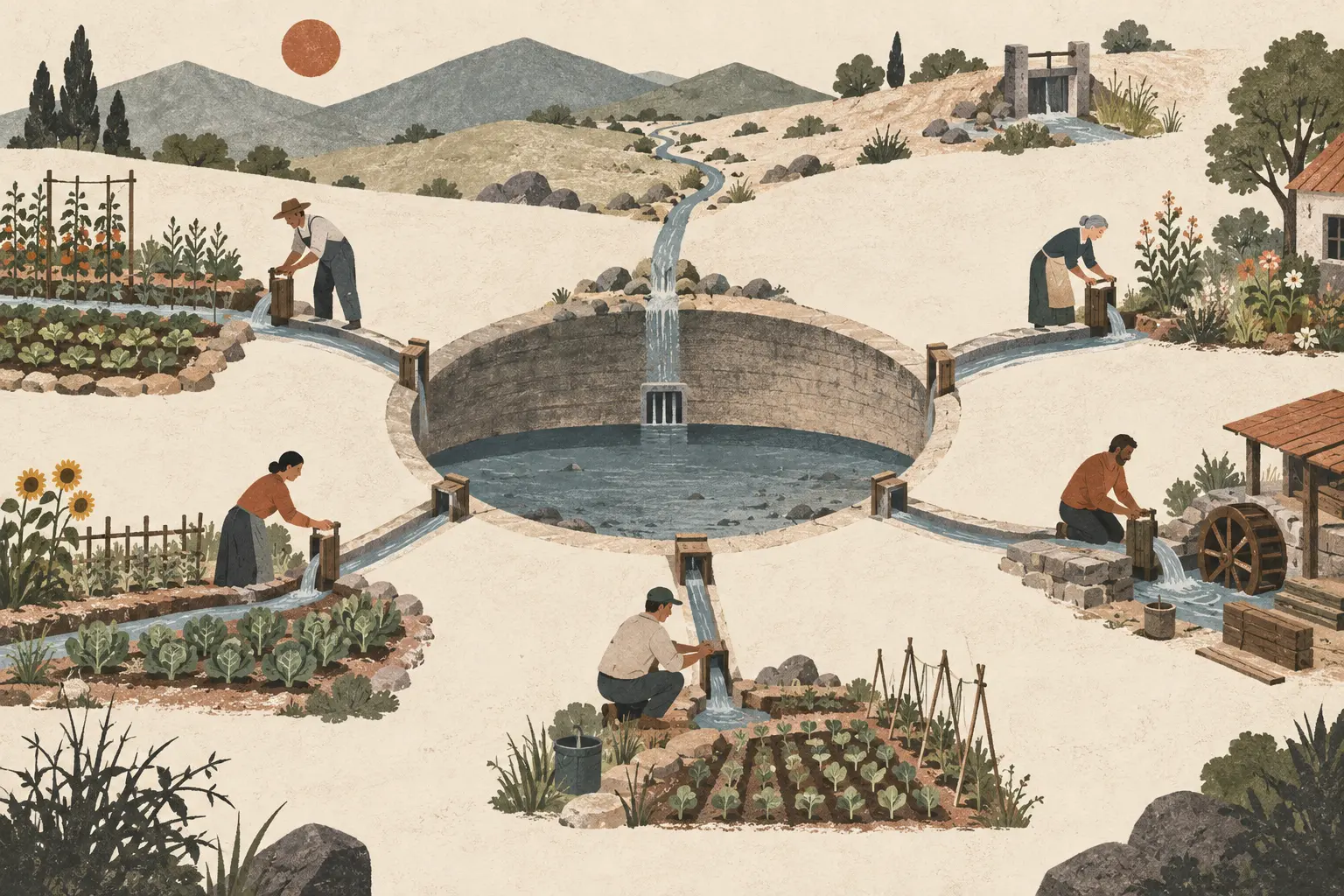
Shared capacity needs rules that connect what people take to what it can recover.
Tragedy of the Commons
A shared resource runs down when each person gets the benefit of using more while everybody else shares the cost.

When one team gets the win and another team cleans up the mess, the decision-makers are missing the feedback they need.
Skin in the Game
The people making a decision need to feel enough of what it causes to learn from it and stop handing hidden damage to somebody else.
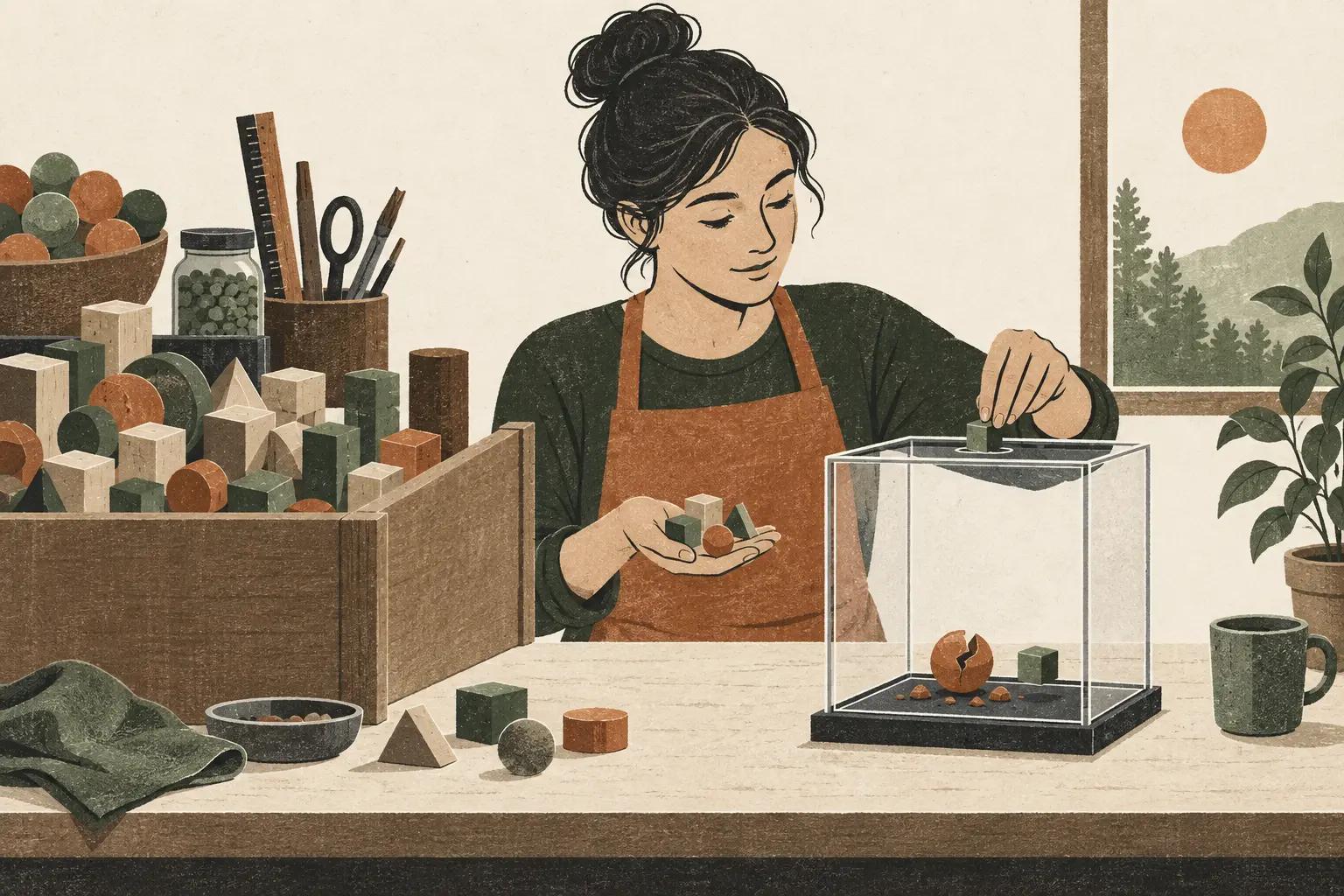
How much can we lose here and still make the next useful move?
Affordable Loss
When the numbers are mostly guesses, size the bet by what you can lose and still keep going.
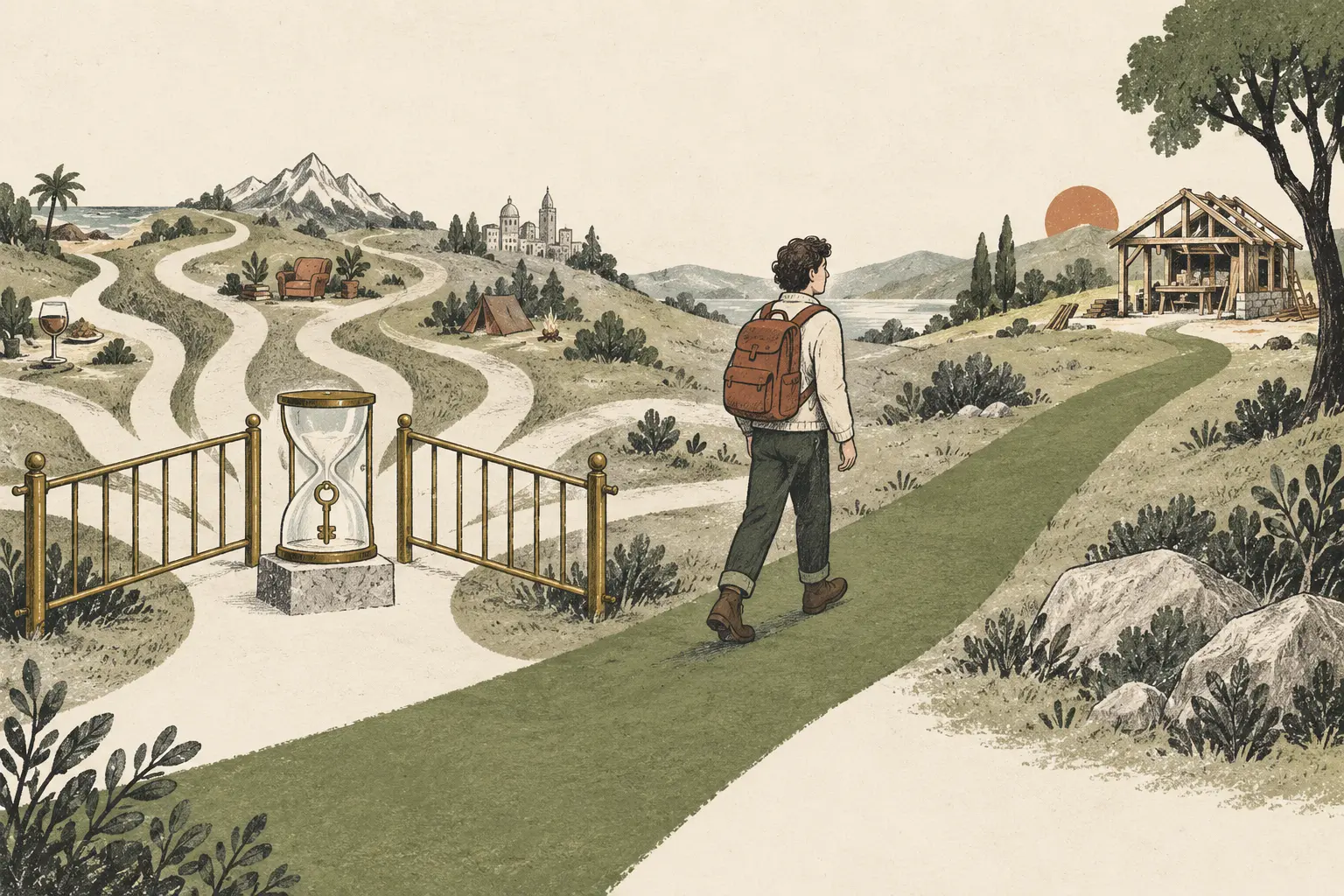
What can you decide now that will still hold when the easier option appears later?
Commitment Device
Choose a constraint now that keeps a future plan going when hesitation or temptation arrives.
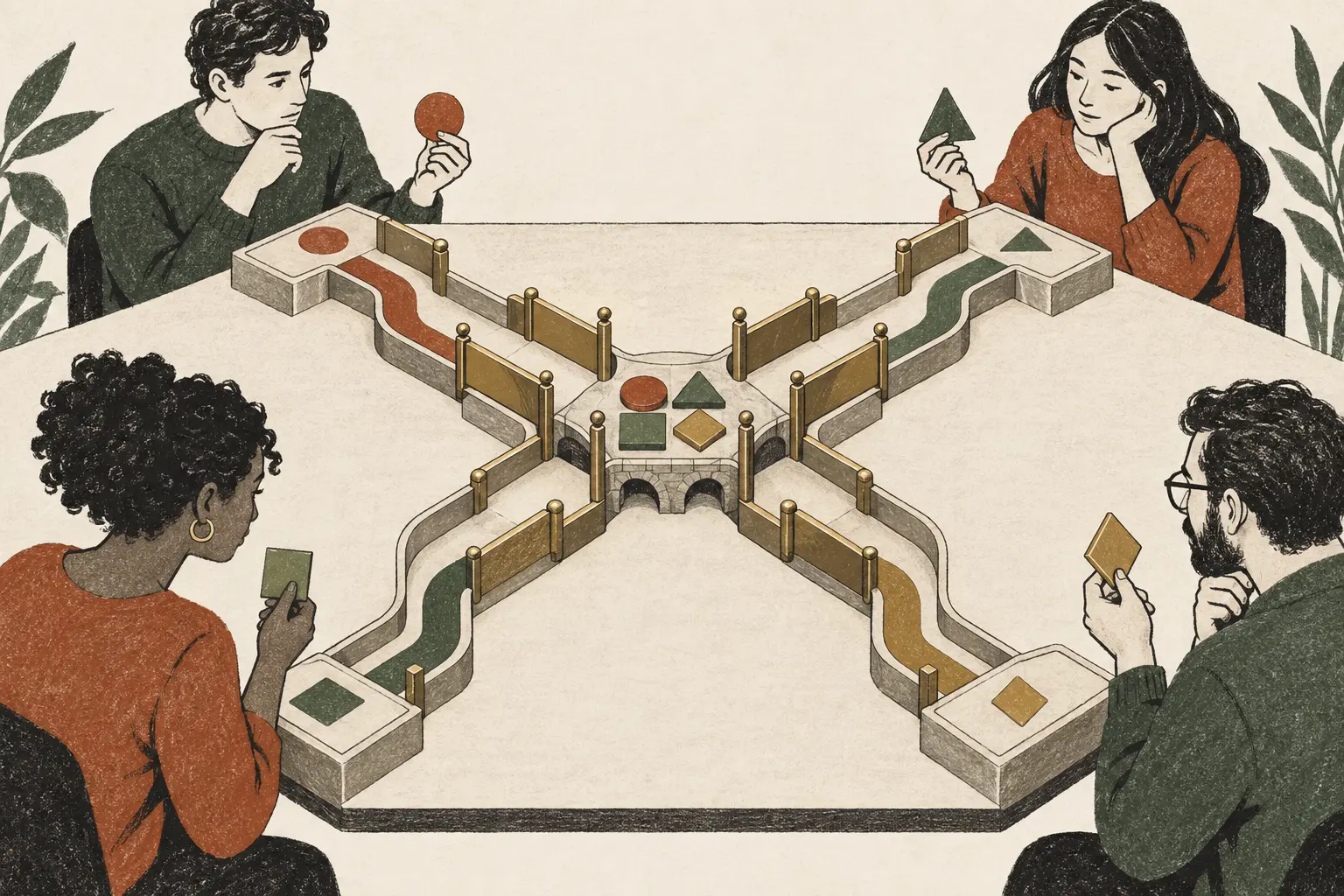
Before you make a rule, ask what each person has a reason to do under it.
Mechanism Design
Start with the outcome you need, then make rules that give each person a reason to help produce it.
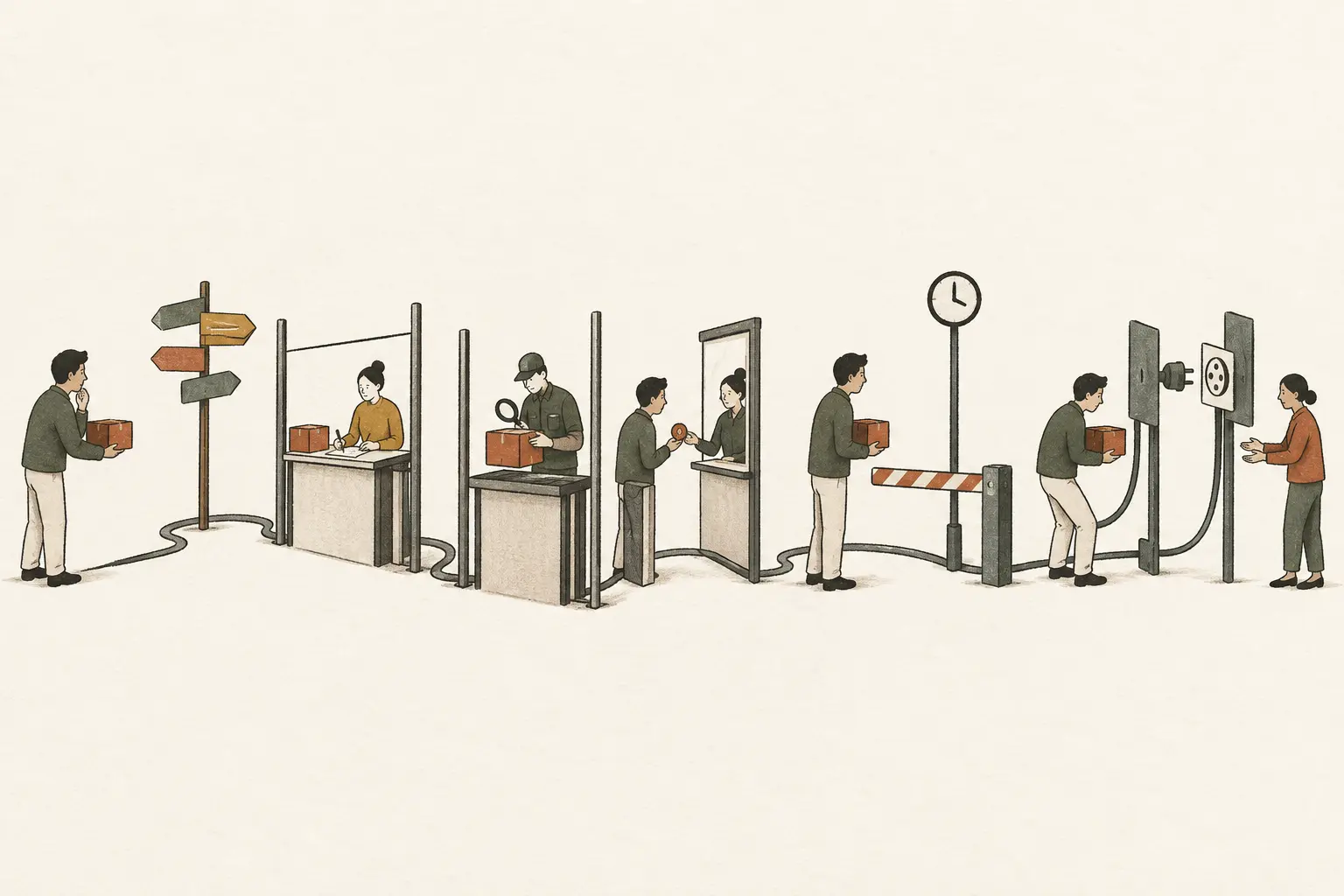
The code can take two days while getting the right people aligned takes six weeks.
Transaction Costs
The work itself is only part of the cost. Finding people, agreeing, checking, fixing disputes and changing course can take far longer.

Finishing a process is not enough. Someone still needs to catch a wrong result and repair it.
Error Correction
Reliable systems have a separate way to spot a wrong result, narrow down what it affected and put it right safely.
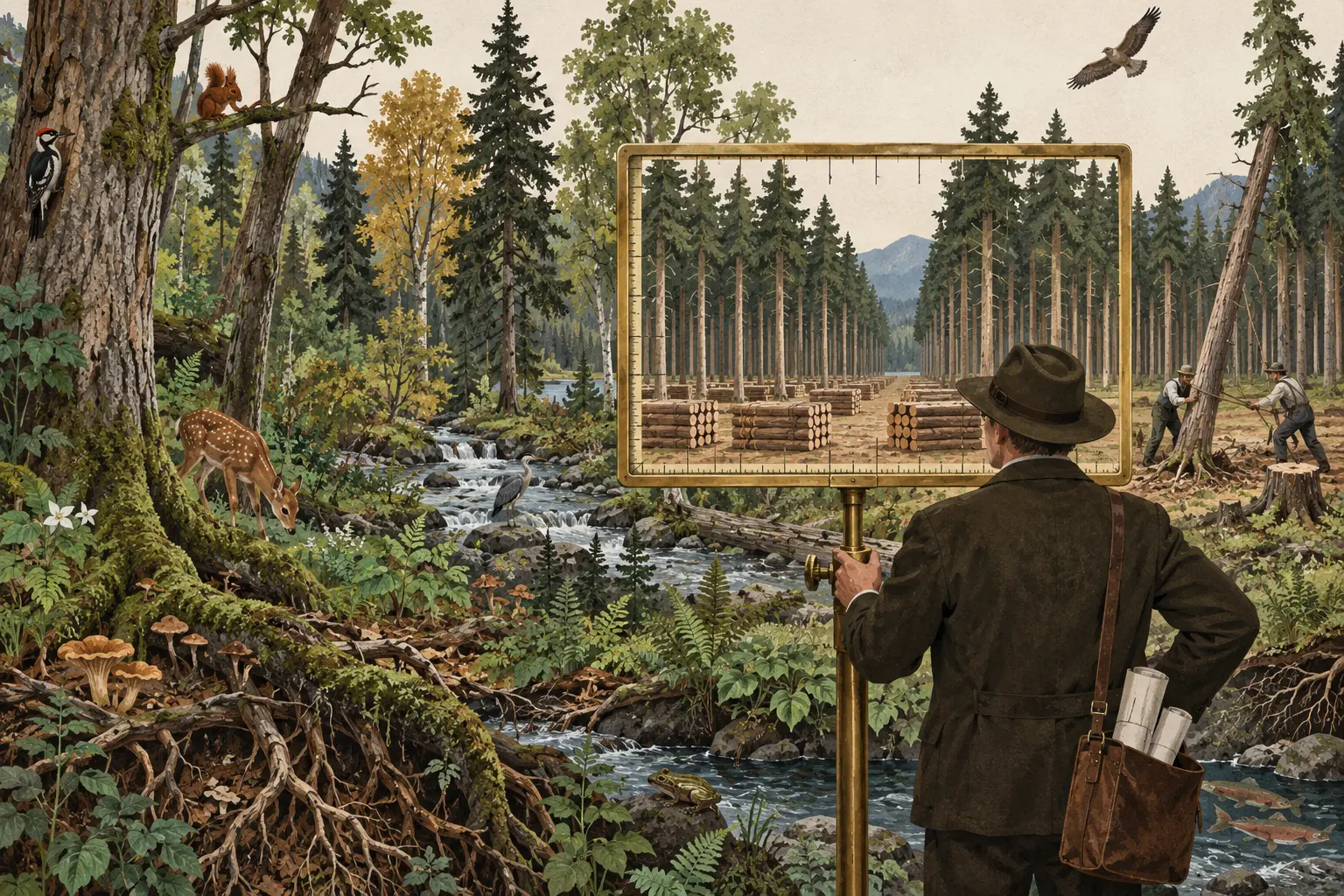
When a dashboard cannot record a kind of work, decisions based on it will usually treat that work as if it does not exist.
Legibility
Systems turn messy reality into categories they can compare and control, then risk hurting people and work that those categories leave out.
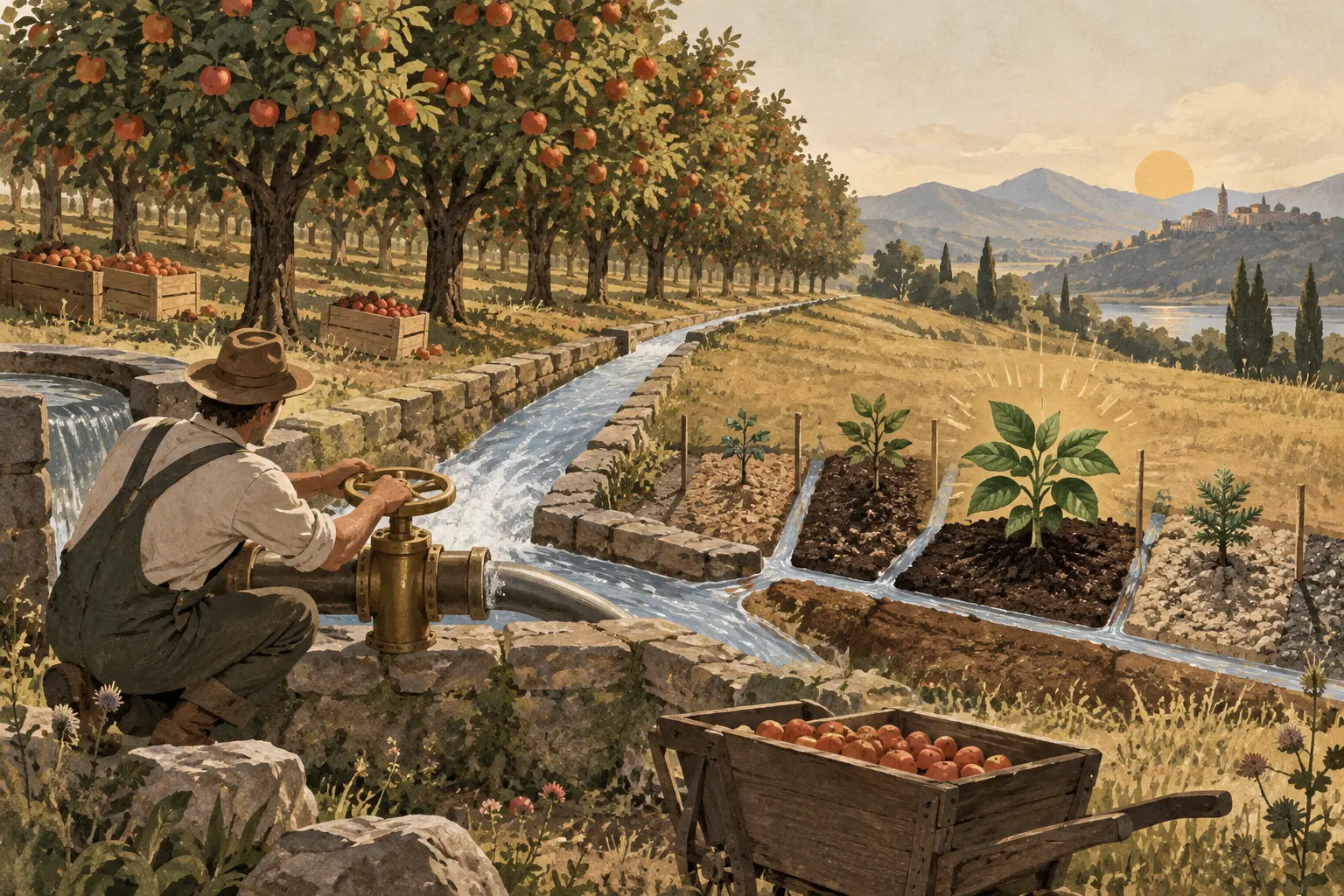
Keep getting results from the current leader, while learning whether the ranking has changed.
Explore–Exploit Trade-off
Use the option that is working now, while testing alternatives enough to know when one has become better.

Before asking for more data, name the result that would make you do something different.
Value of Information
Information is worth getting when it can change a decision enough to justify the time, delay and risk of finding it.

Which explanation would make this evidence least surprising?
Bayesian Updating
Change your mind as evidence arrives, especially when it fits one explanation much better than the others.

Every alert rule decides which mistakes people will live with, and who has to deal with them.
Signal Detection Theory
Keep separate the question of whether the evidence is any good and the question of how much evidence you need before acting.
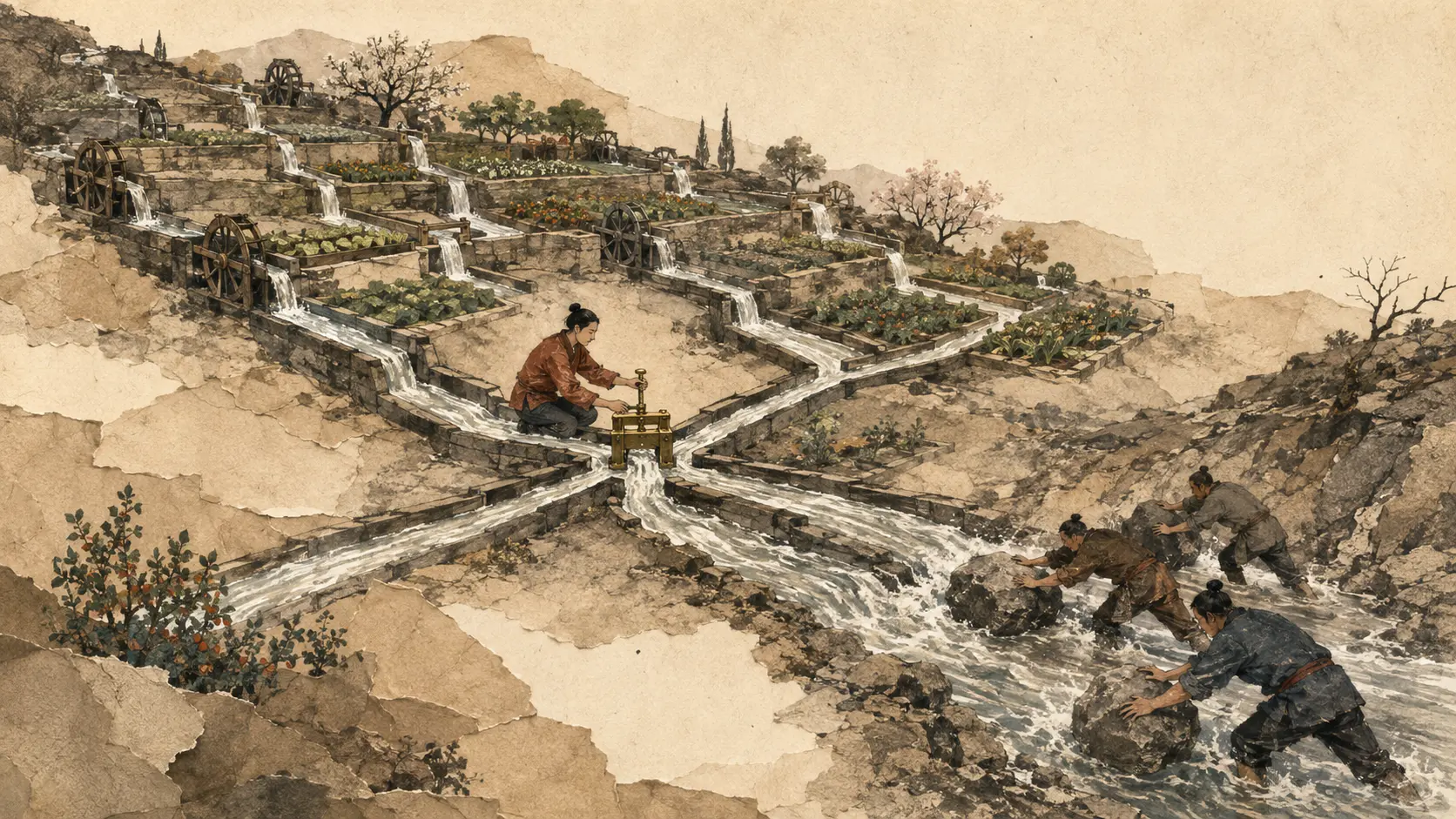
Changing the rule that creates a queue can help more than hiring people to keep clearing it.
Leverage Points
Where you change a system can matter more than how much effort you put in.
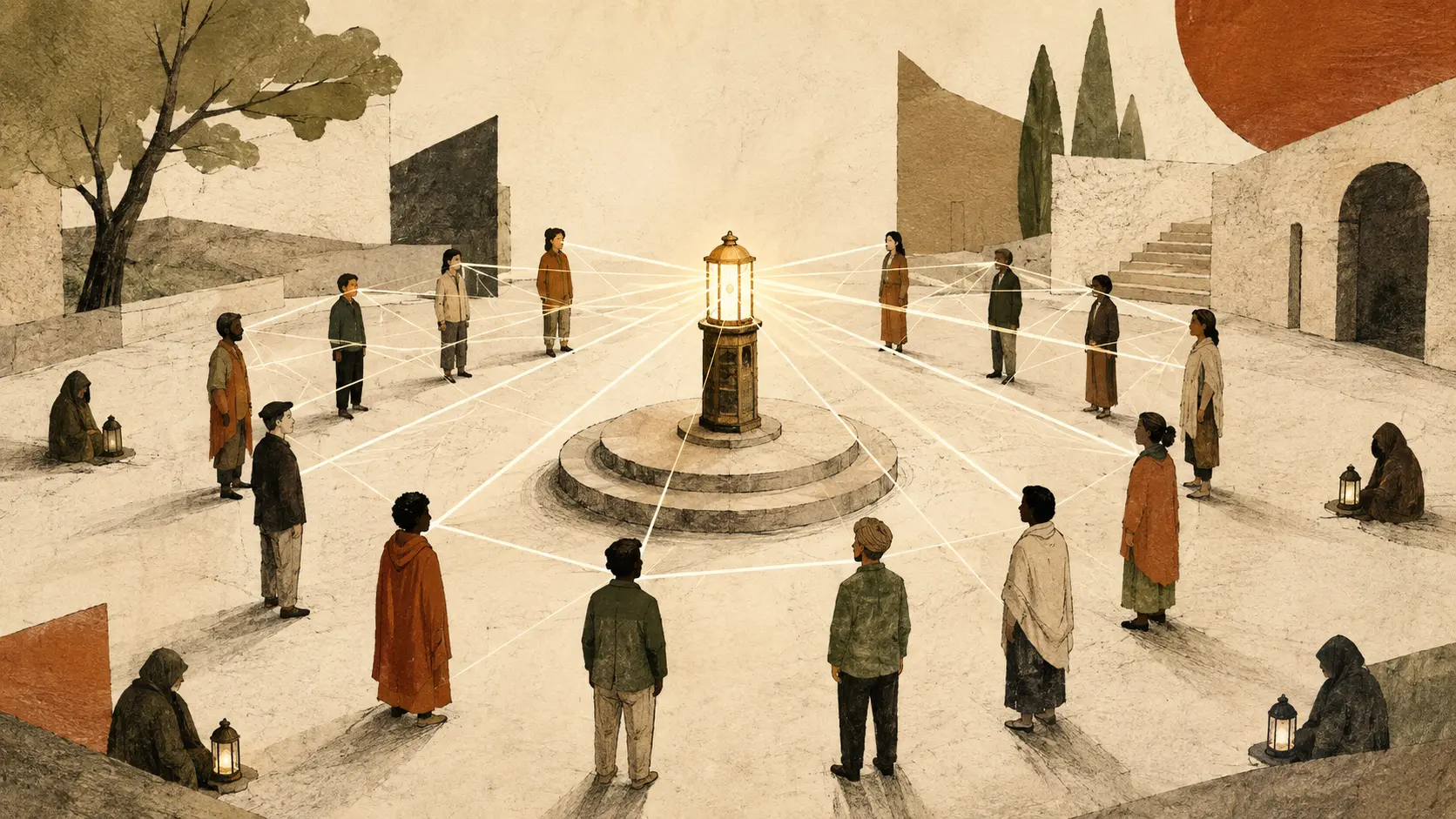
Does everyone know that the others received the same decision?
Common Knowledge
People can move together when everyone knows the decision and can see that the others know it too.
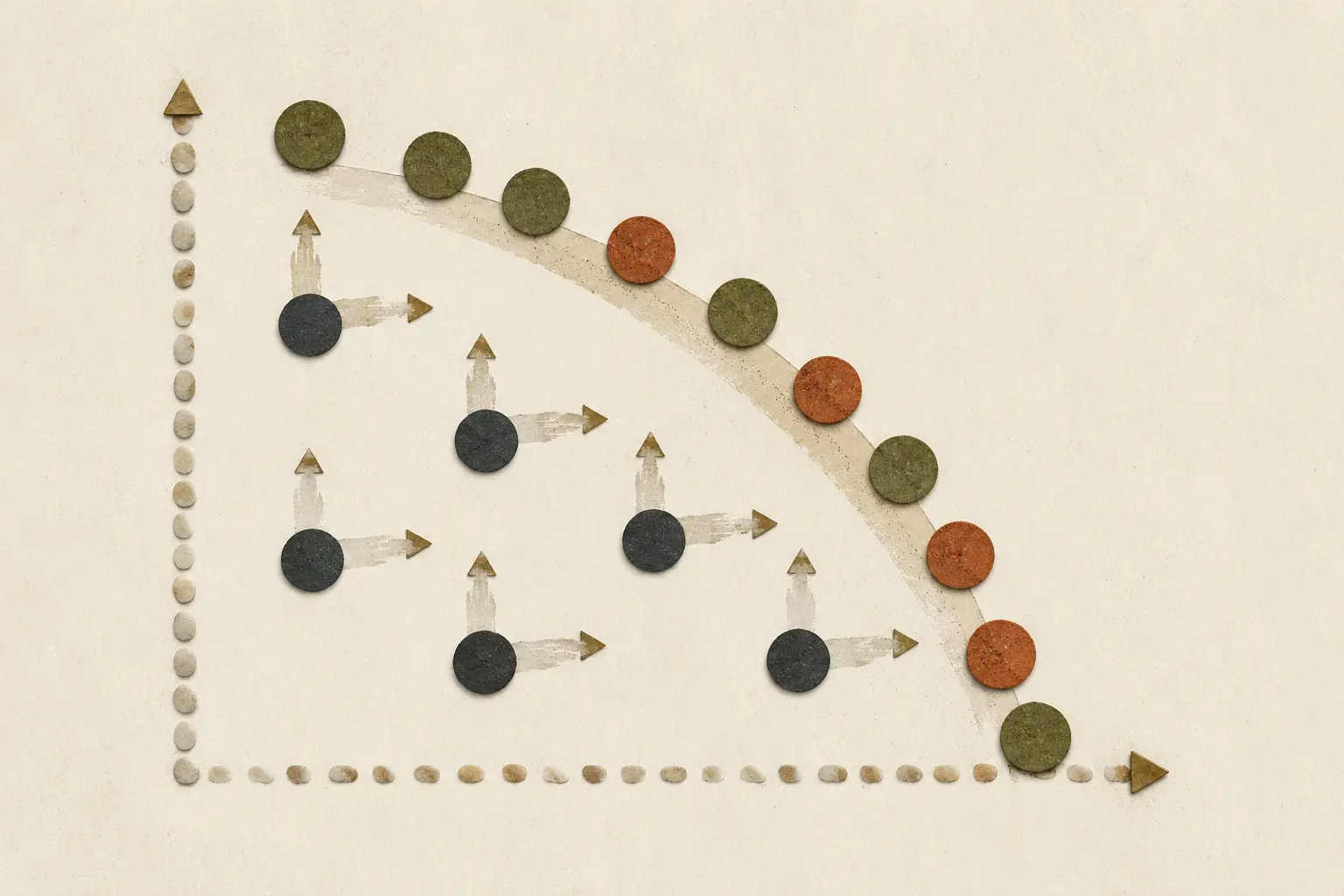
First remove any option when another is at least as good on every important measure and better on one, then choose among the real trade-offs.
Pareto Frontier
Remove the plans that are plainly worse, then be honest about which trade-off you are choosing.
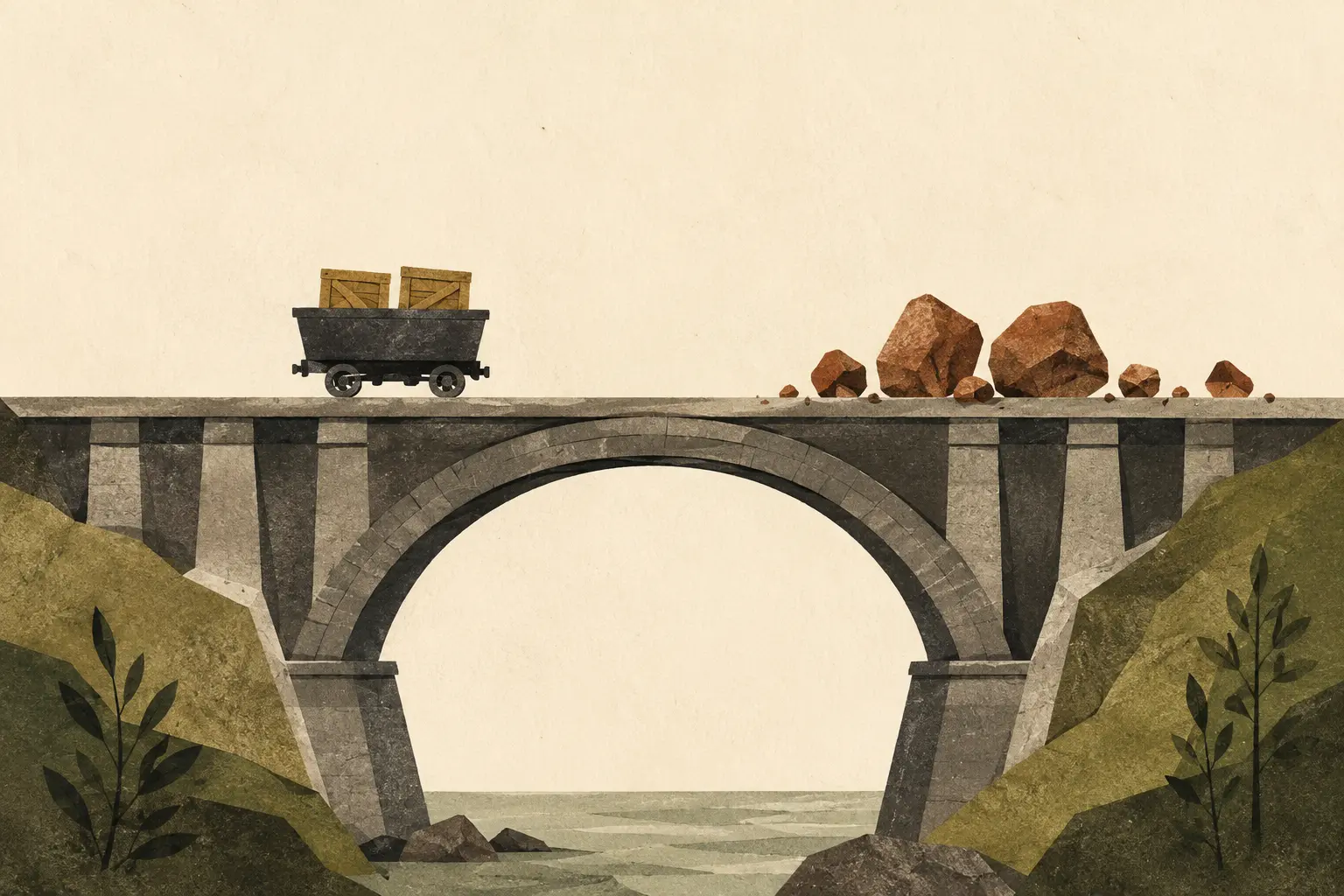
Leave room for the forecast to be wrong and for recovery to take longer than expected.
Margin of Safety
Leave enough room between the normal forecast and failure that ordinary surprises do not become disasters.
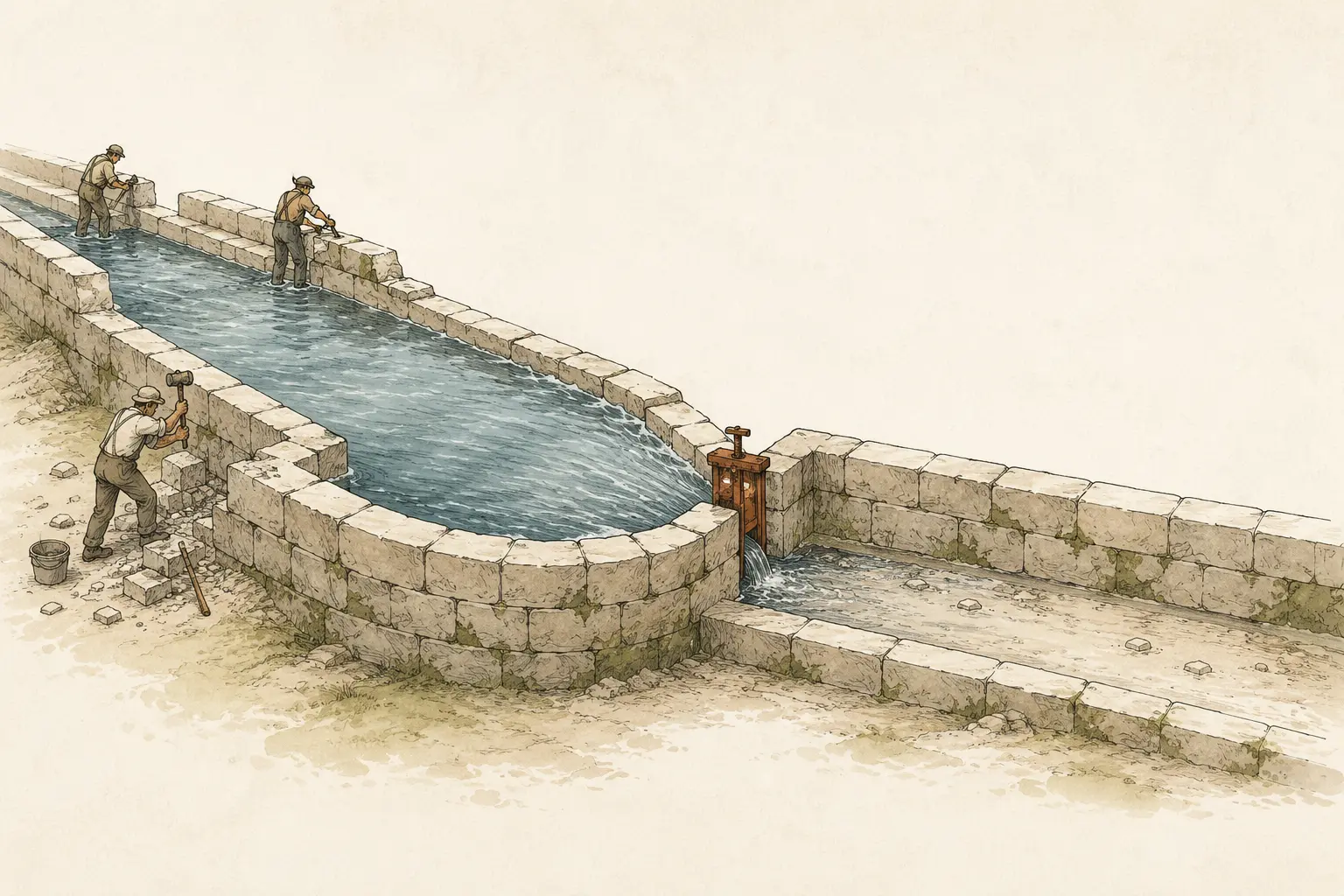
When delivery is slow, find the part of the work everyone else is waiting for.
Theory of Constraints
A system can only deliver as fast as the part currently holding everything up, so speeding up the rest can create more waiting.
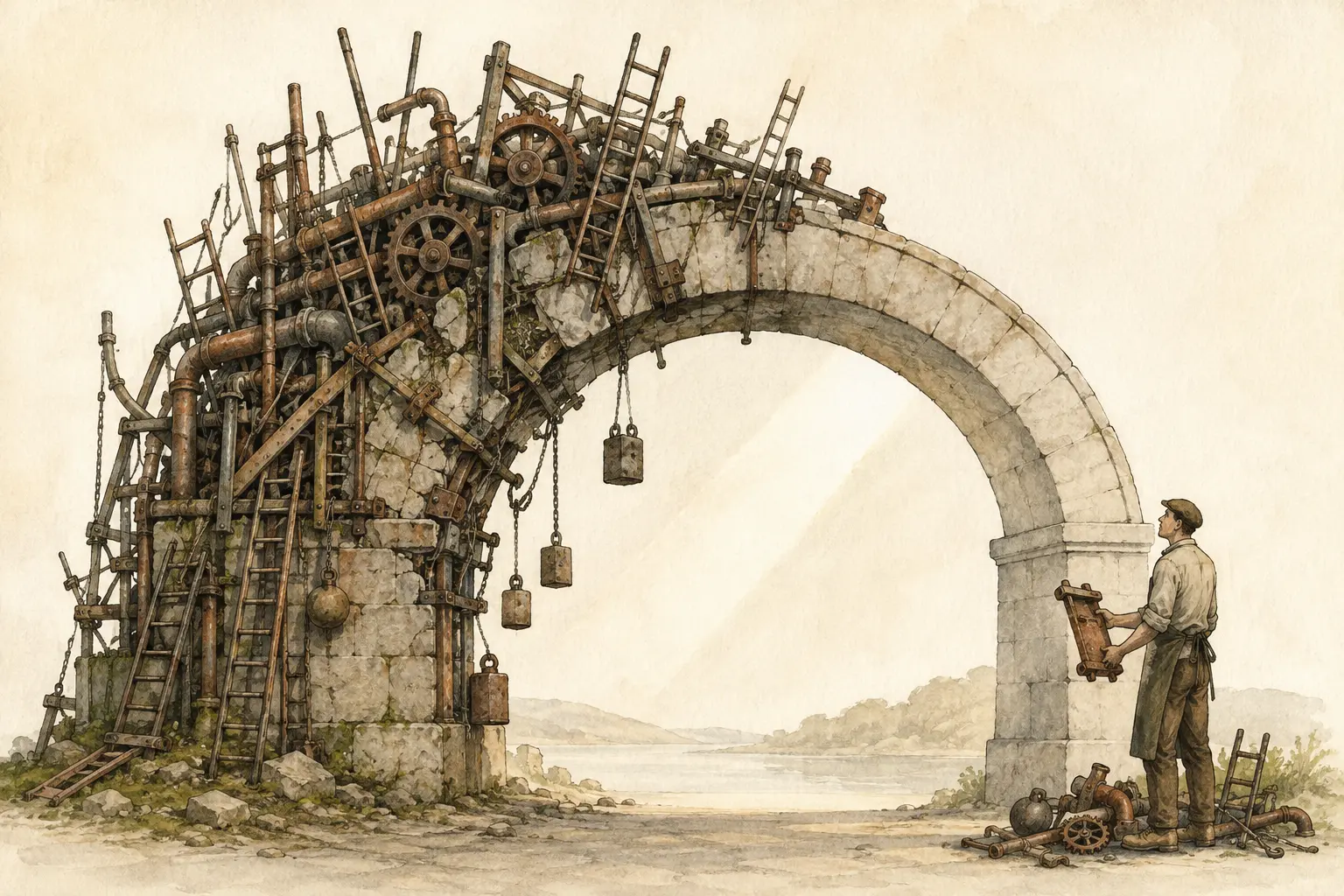
Before adding another process, ask what work is already making the system harder to run.
Via Negativa
When you can see what is causing harm and cannot yet prove a new fix will help, removing the harm can be the more reliable move.
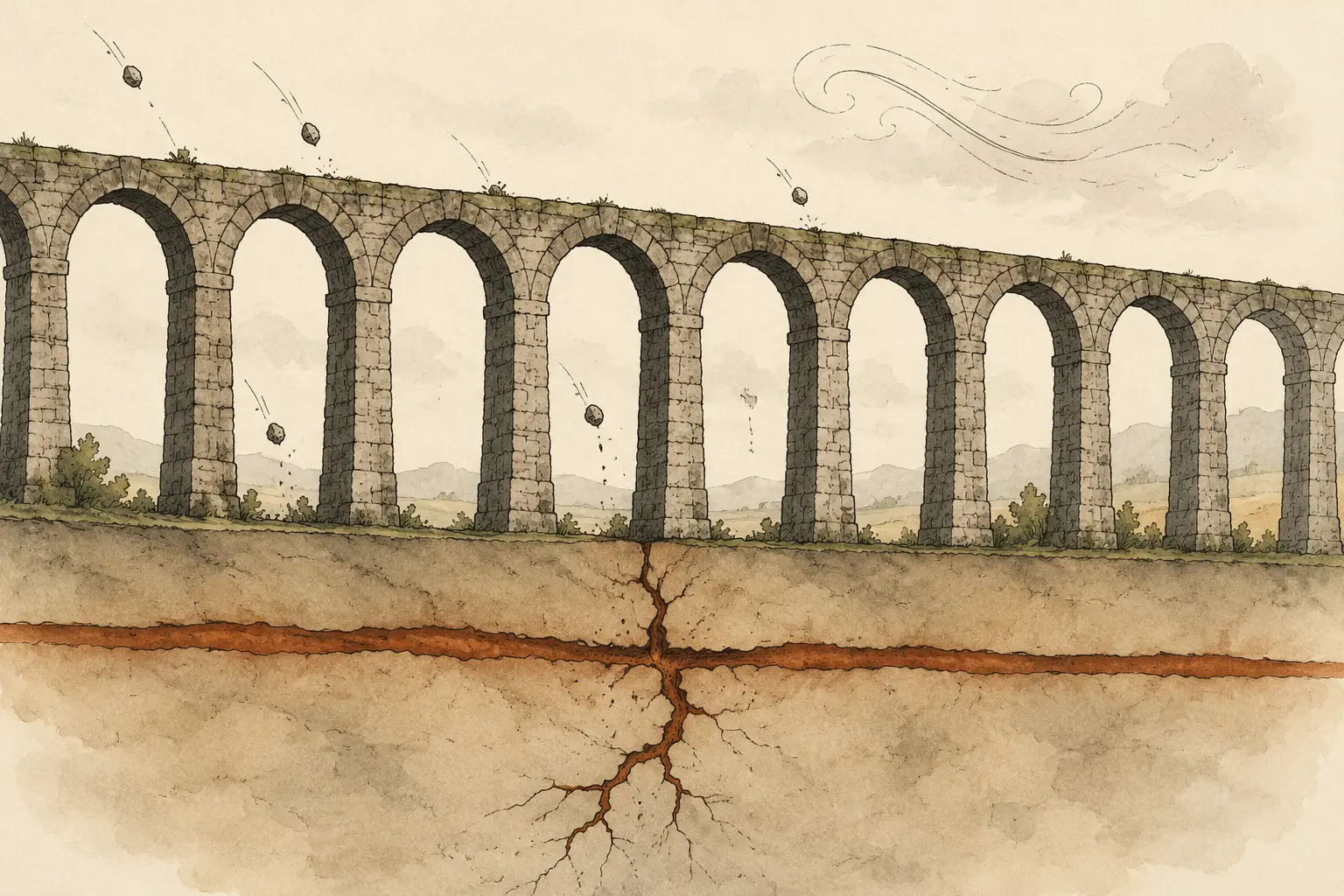
Before calling something reliable, ask what kind of failure it was built to survive.
Robust Yet Fragile
A system can get very good at handling familiar trouble while one less familiar failure can still hit everything at once.
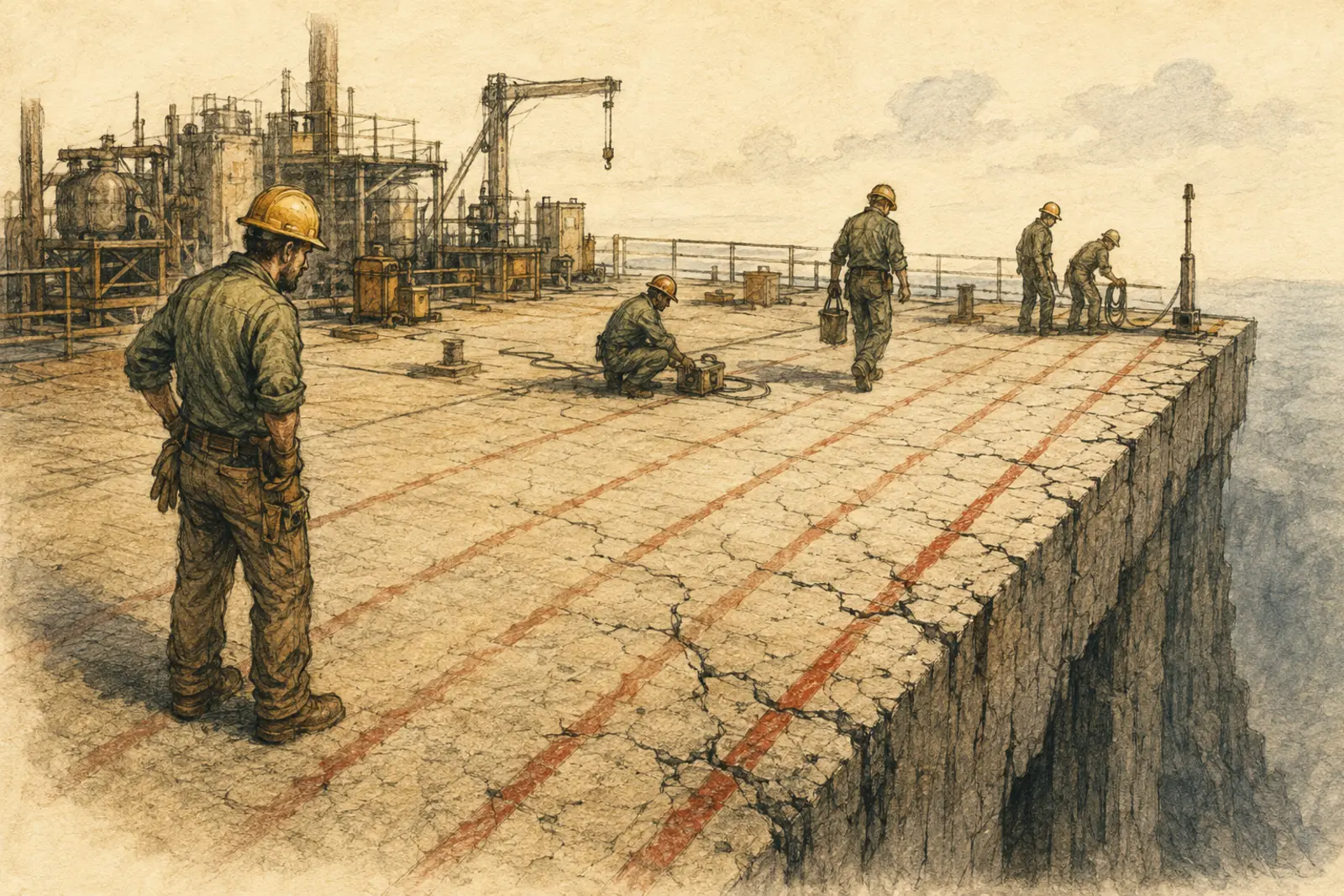
When a workaround keeps getting away with it, people can forget why the original boundary existed.
Normalization of Deviance
A risky shortcut can start to feel normal when it works a few times, even though the danger is still there.
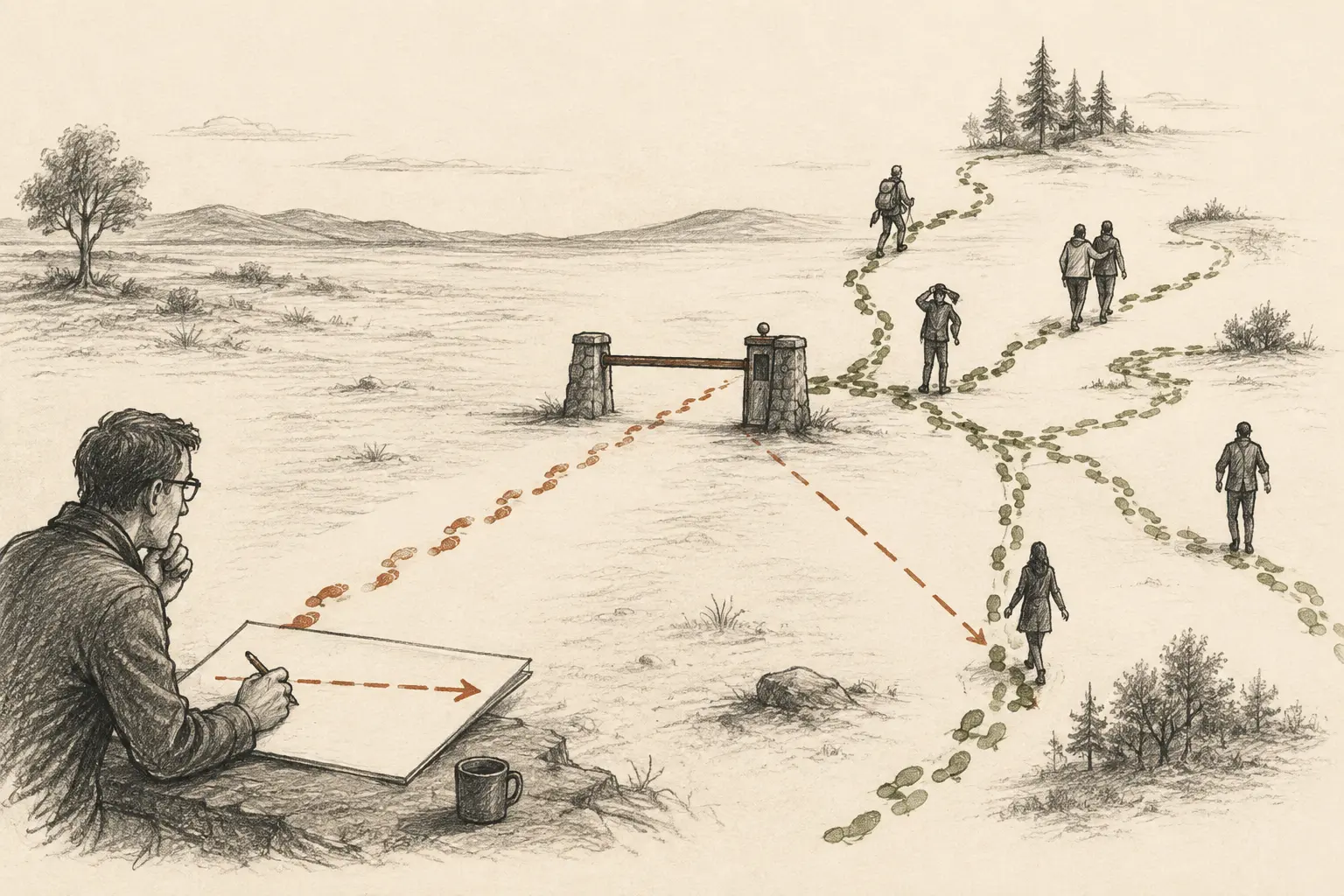
Old behaviour becomes weak evidence when a new rule gives people new reasons to choose differently.
The Lucas Critique
A relationship learned under one set of rules can stop holding when a new policy changes what people expect and do.
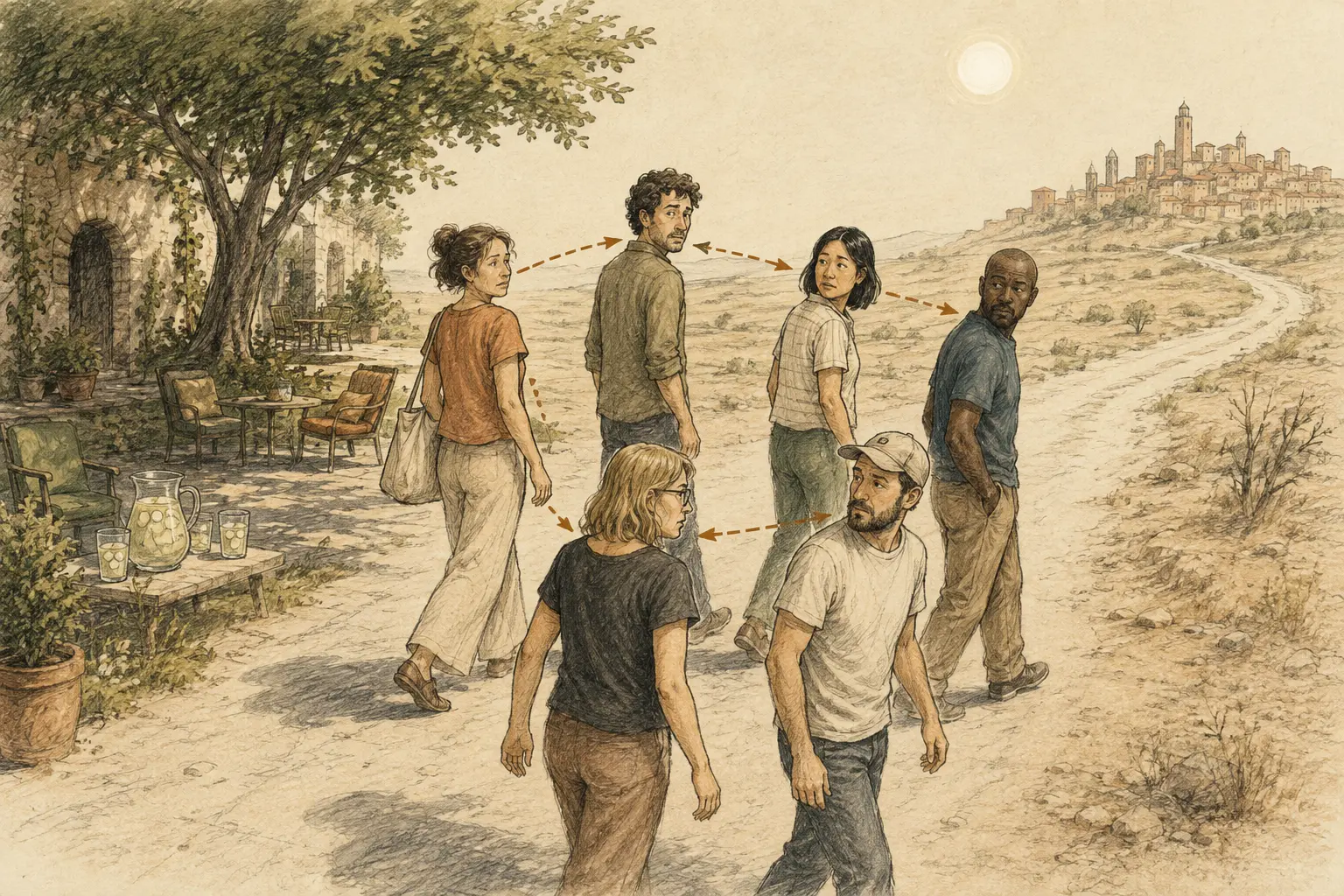
What if everyone in the room has the same concern and nobody says it?
The Abilene Paradox
A group can make a choice nobody wants when everyone mistakes silence for support.
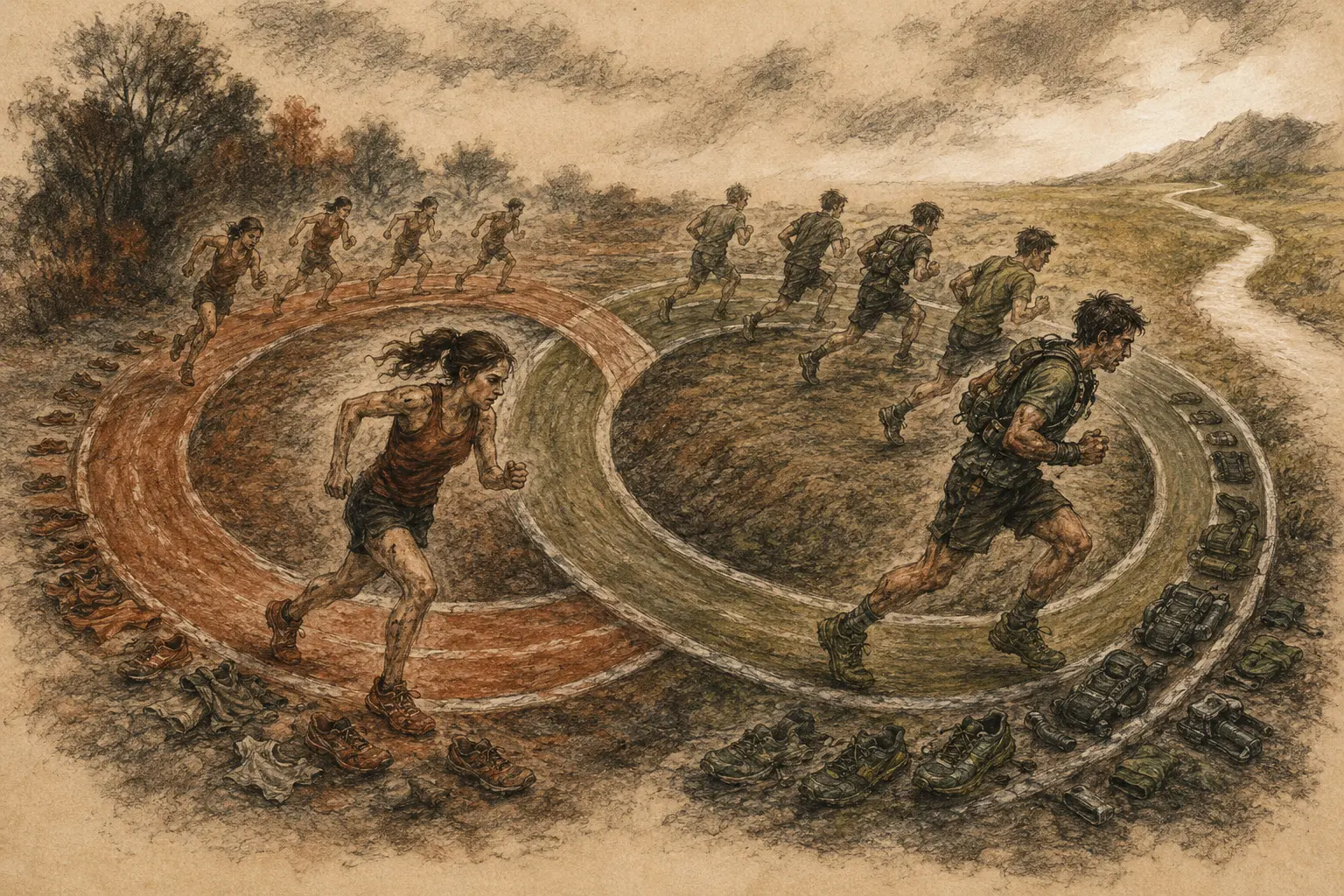
Before investing again, ask how quickly other people will adapt to the advantage you create.
The Red Queen Effect
When everybody adapts to everybody else, you may need to keep improving just to stay in the same place.
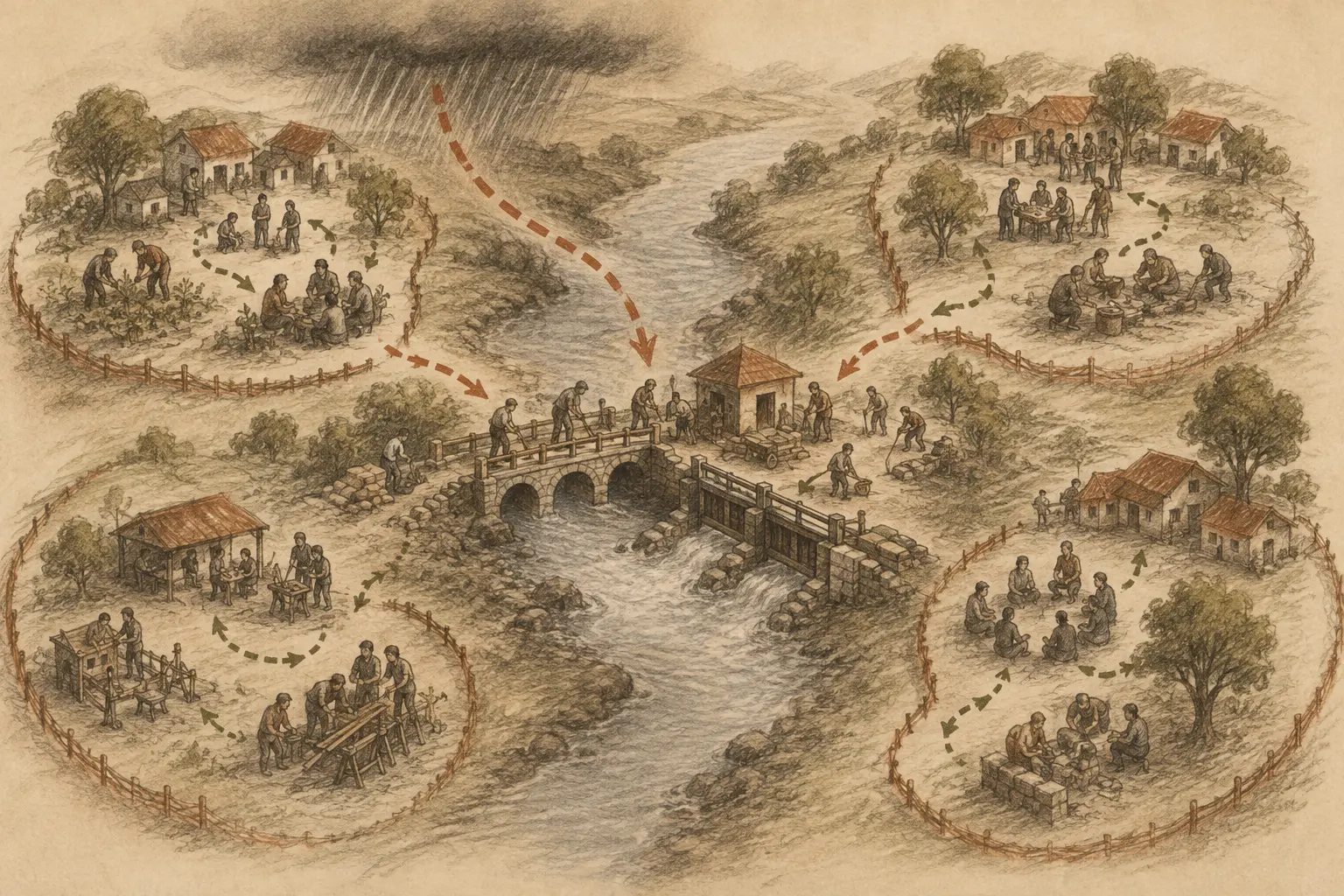
People close to the work need the power and support to make the decisions they understand best.
Subsidiarity
Let the smallest group that can handle a decision well make it, then move it up only when it affects others or needs shared support.
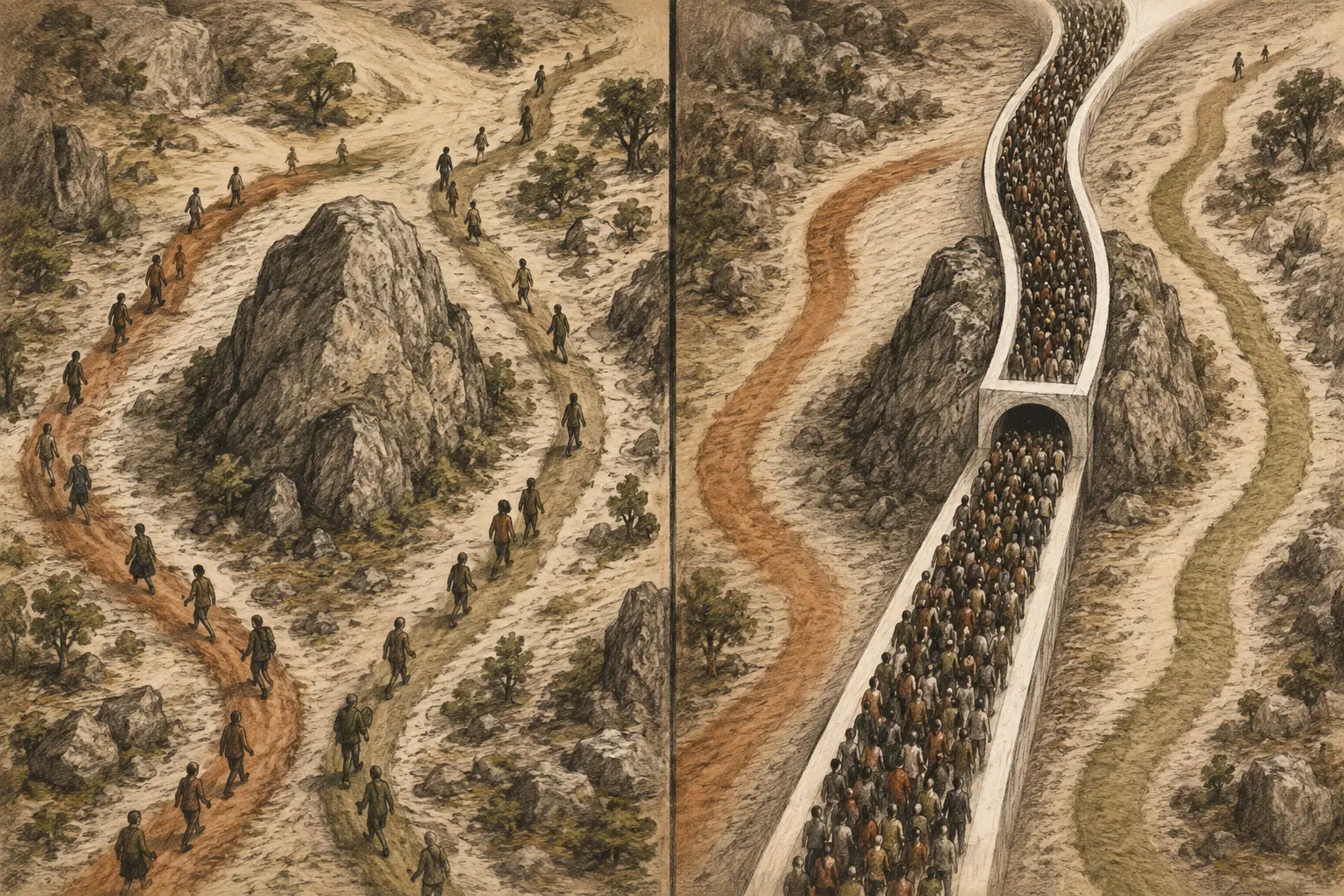
Where will people converge once the shortcut is available?
Braess's Paradox
A new shortcut can slow the whole network when everyone changes course and crowds the same bottleneck.
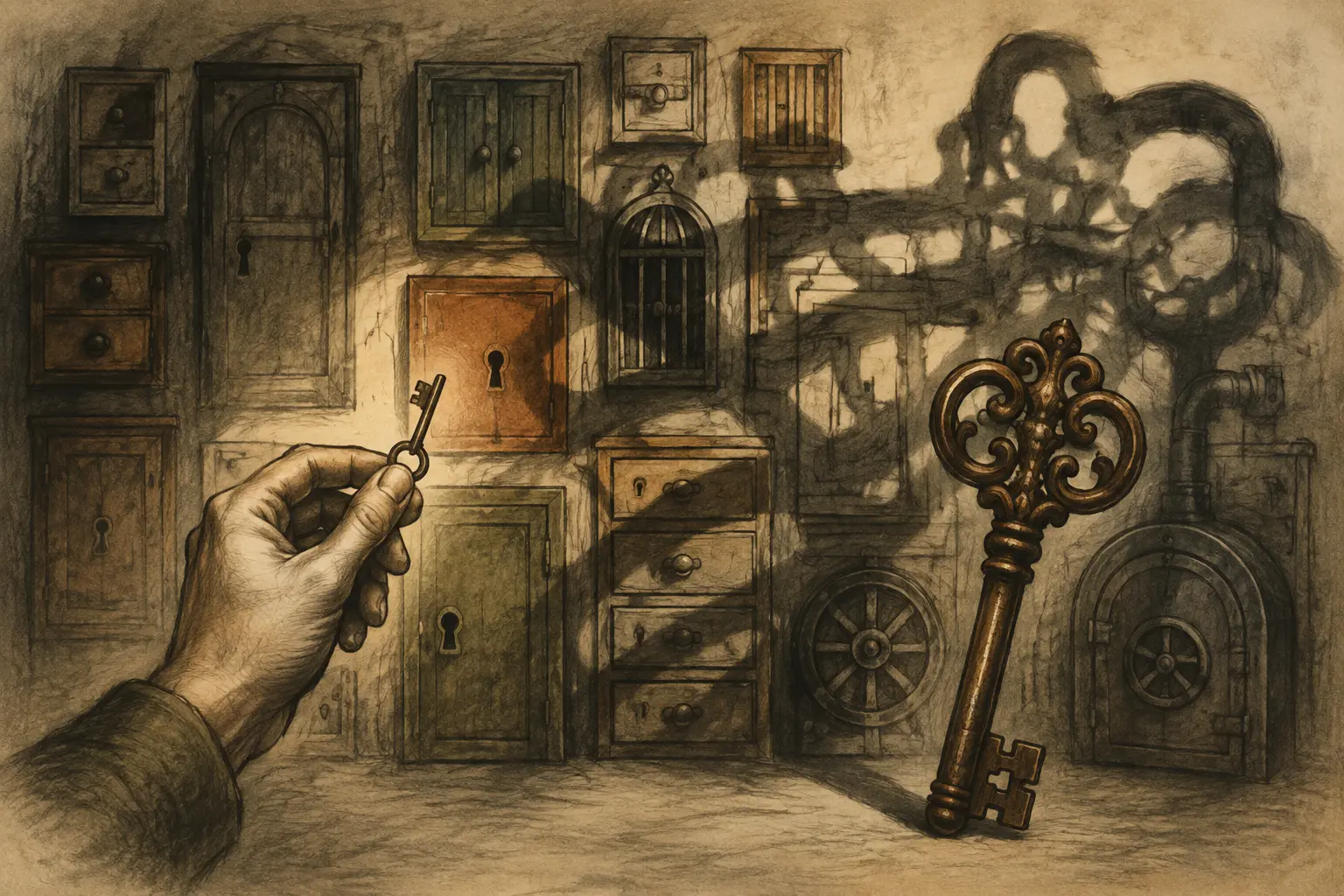
Choose the smallest tool that can handle the decisions you actually need to make.
The Principle of Least Power
Use the smallest tool that can do the job, because extra power creates extra ways to make a costly mistake.
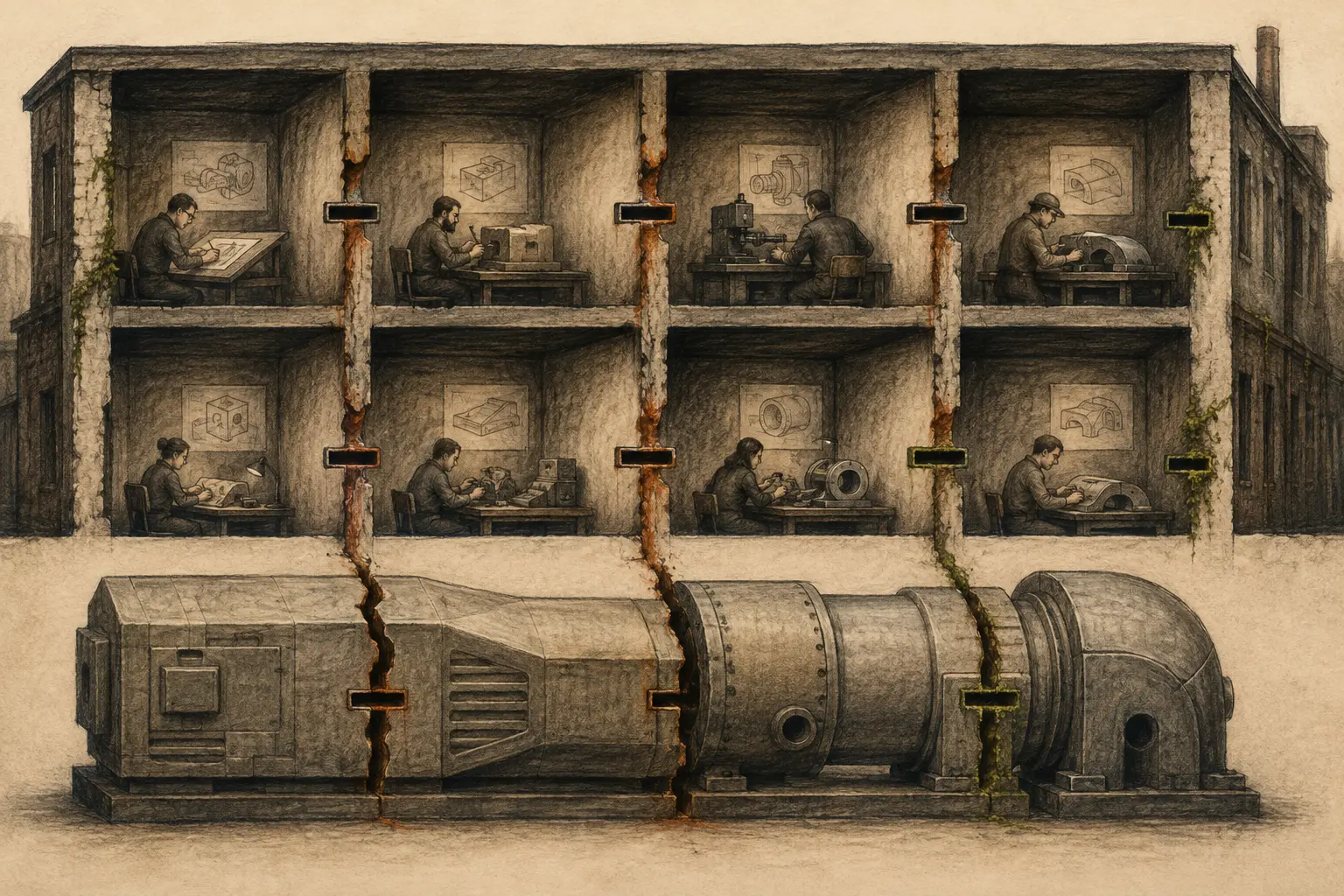
Customers feel the handoffs created by the way a company is organised.
Conway's Law
The systems a company builds often mirror how its people communicate and split responsibility.
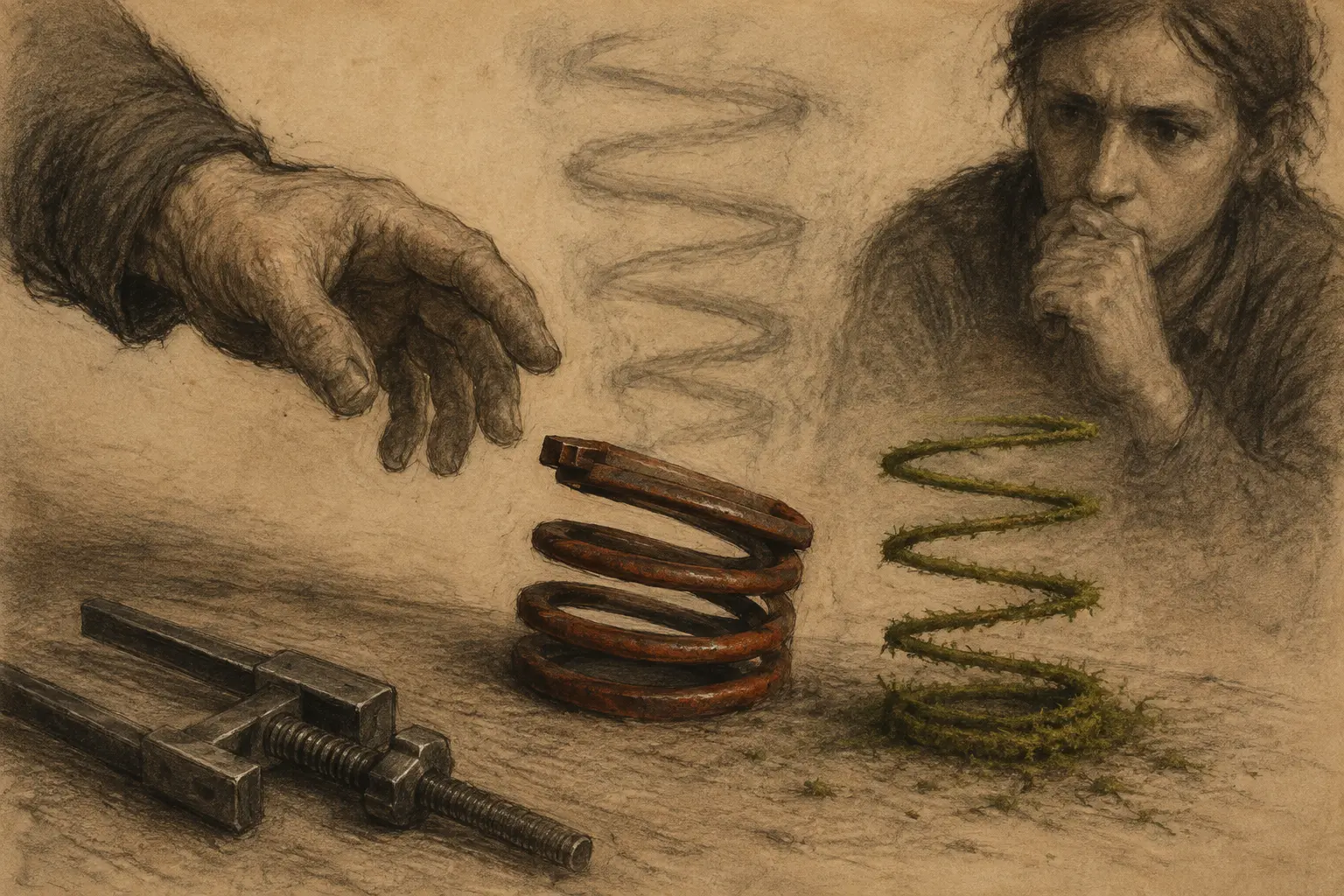
The pressure can be gone while the system is still carrying what it changed.
Hysteresis
A system can keep the effects of an earlier condition, so removing the original pressure may not bring back the old state.
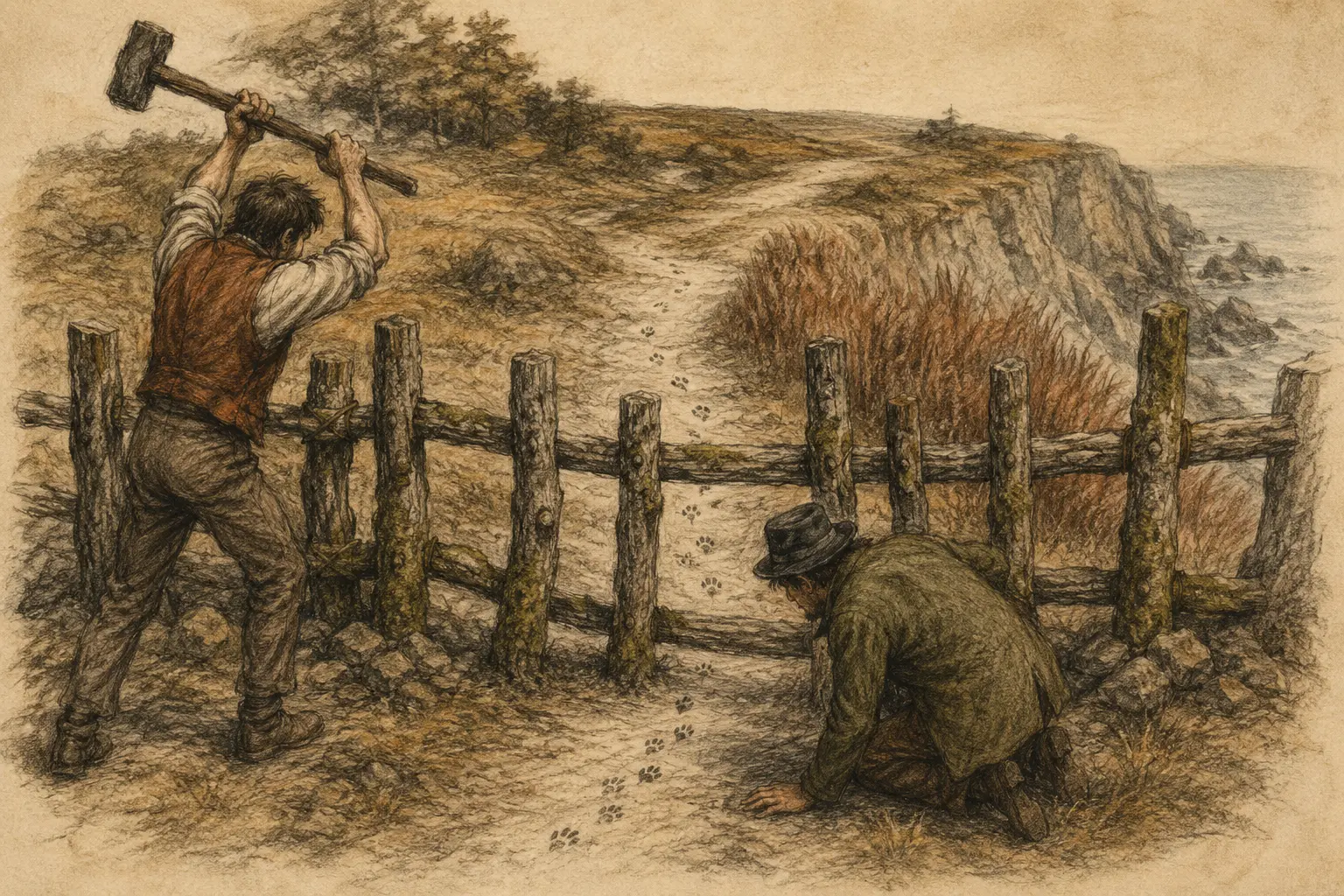
Why is this still here, and what happens if we remove it?
Chesterton's Fence
Before removing a rule or process that looks pointless, learn what problem it was built to stop.
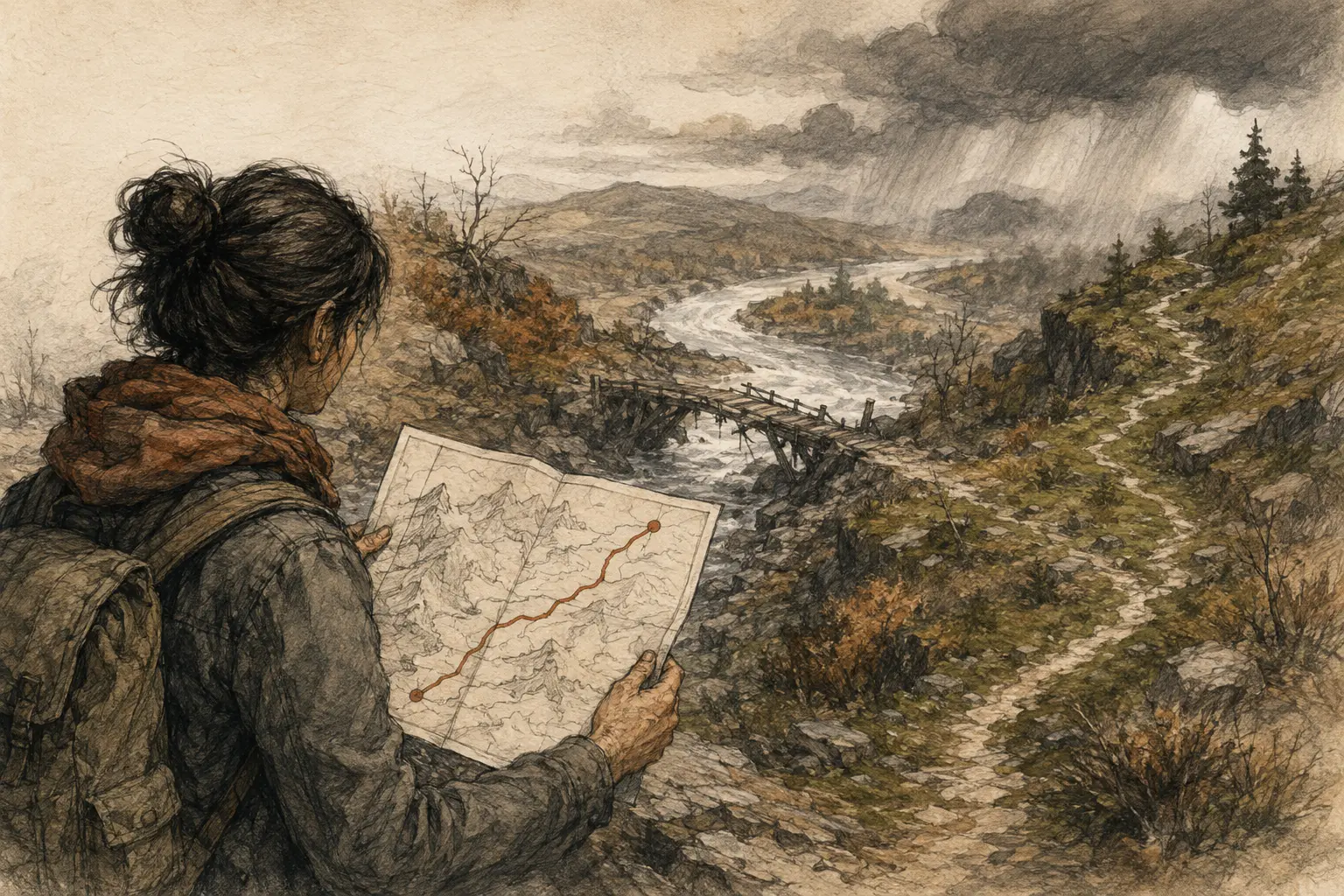
Use the model to get your bearings, then look at the real situation before you decide.
The Map Is Not the Territory
A map, dashboard or plan can be useful and still leave out the detail that changes what you should do.
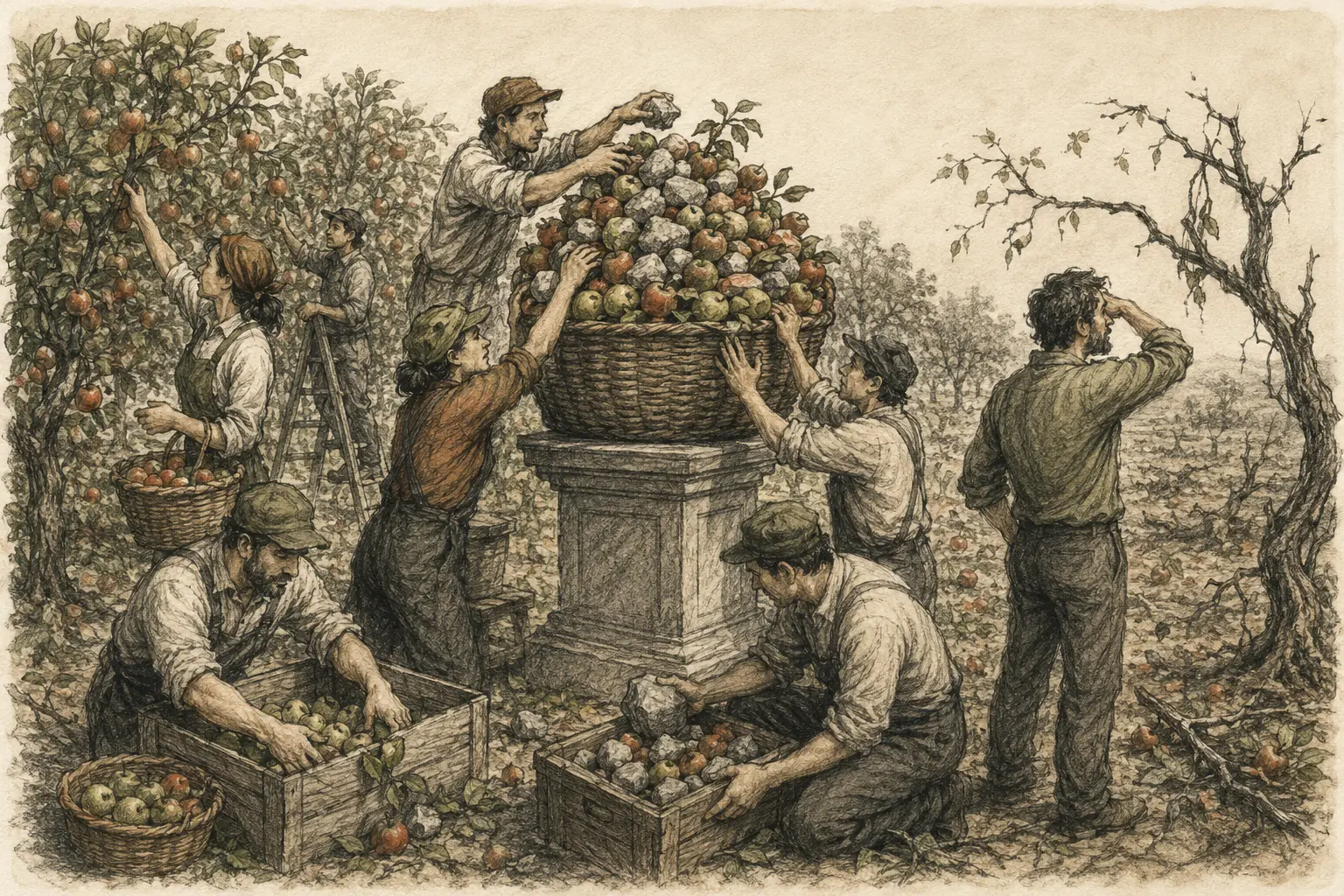
The moment a measure decides rewards, it starts changing the work.
Goodhart's Law
Once people are rewarded for a number, they can improve the number while the thing it was meant to show gets worse.
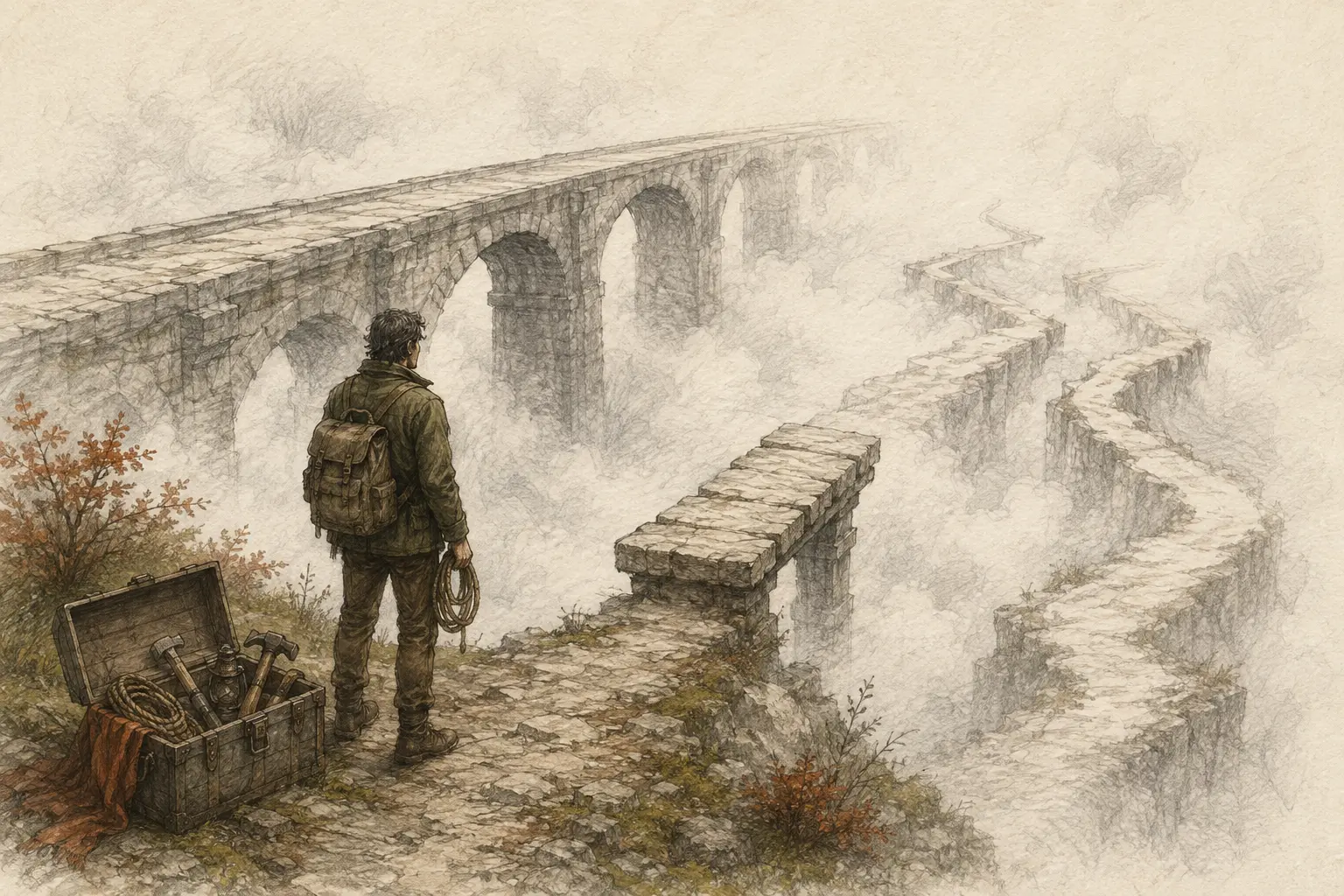
When two choices look similar today, compare how easily each one can grow, change or stop later.
Real Options
A smaller commitment can be valuable because it lets you act now while keeping the choice to expand, change or stop later.
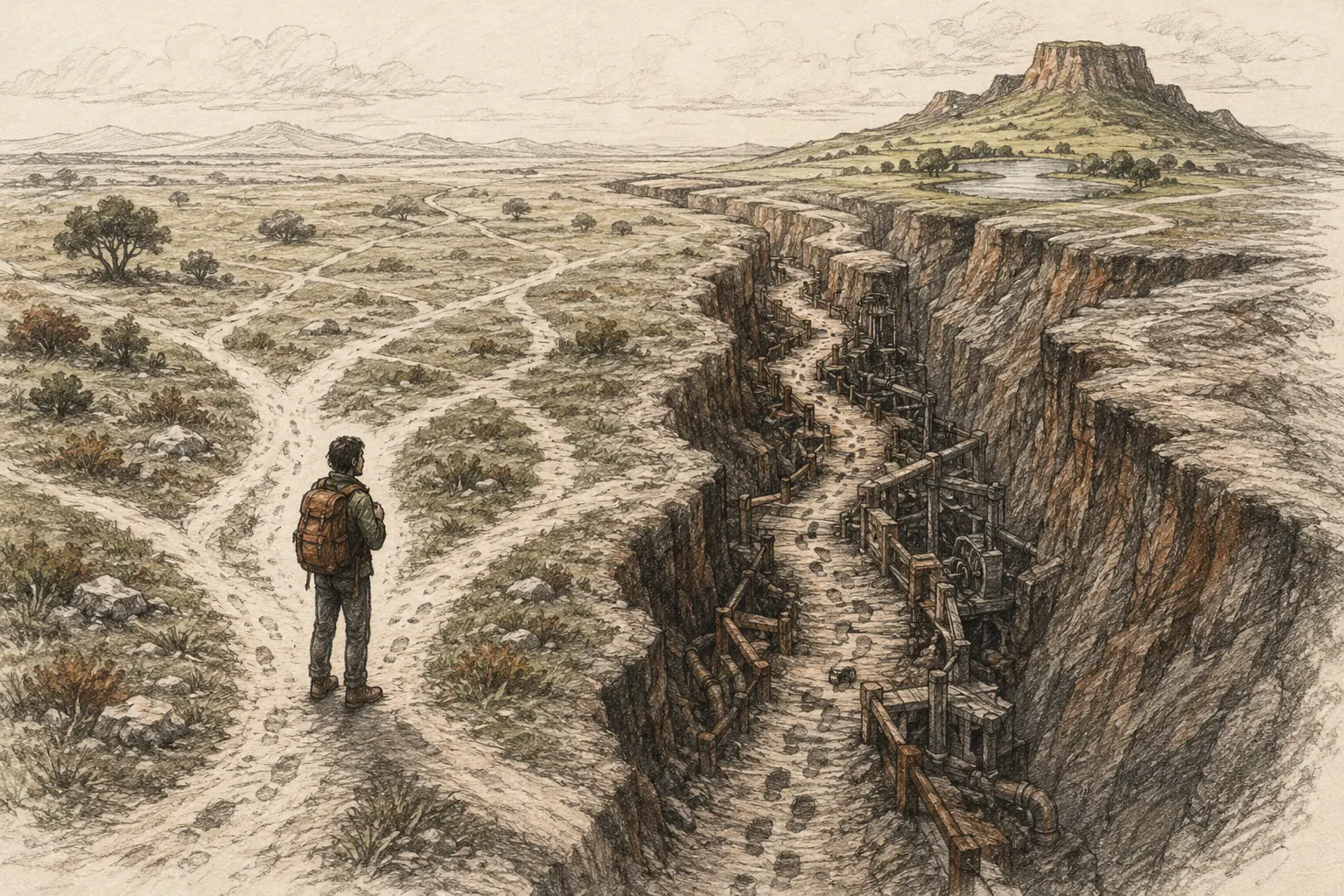
When two things look the same now, check whether their history still changes what they can do next.
Path Dependence
Two things that look the same today can still behave differently because their earlier choices left different baggage behind.
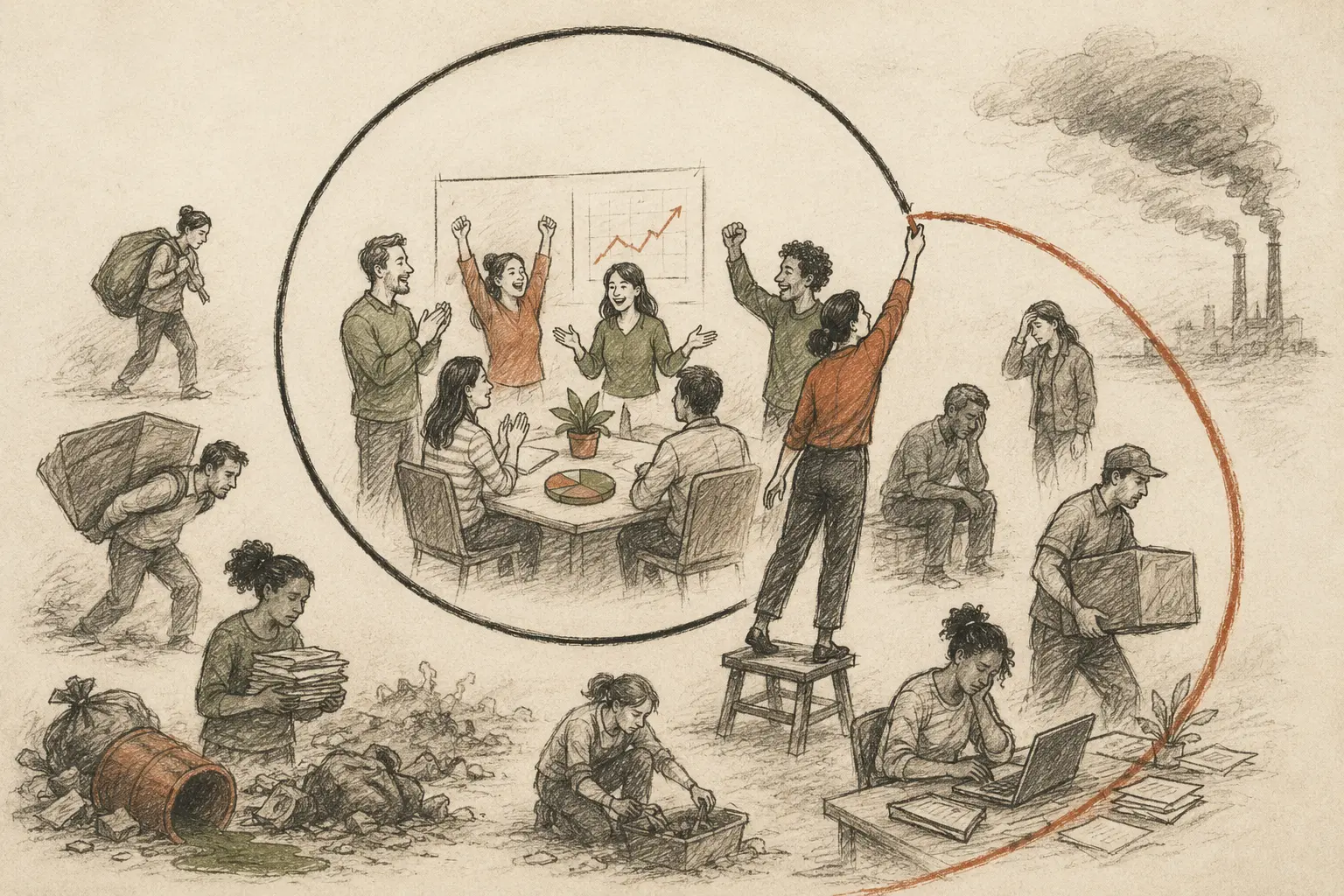
Before calling something a win, who and what did we leave out of the calculation?
Boundary Critique
A decision can look right when it leaves its real costs and affected people outside the calculation.
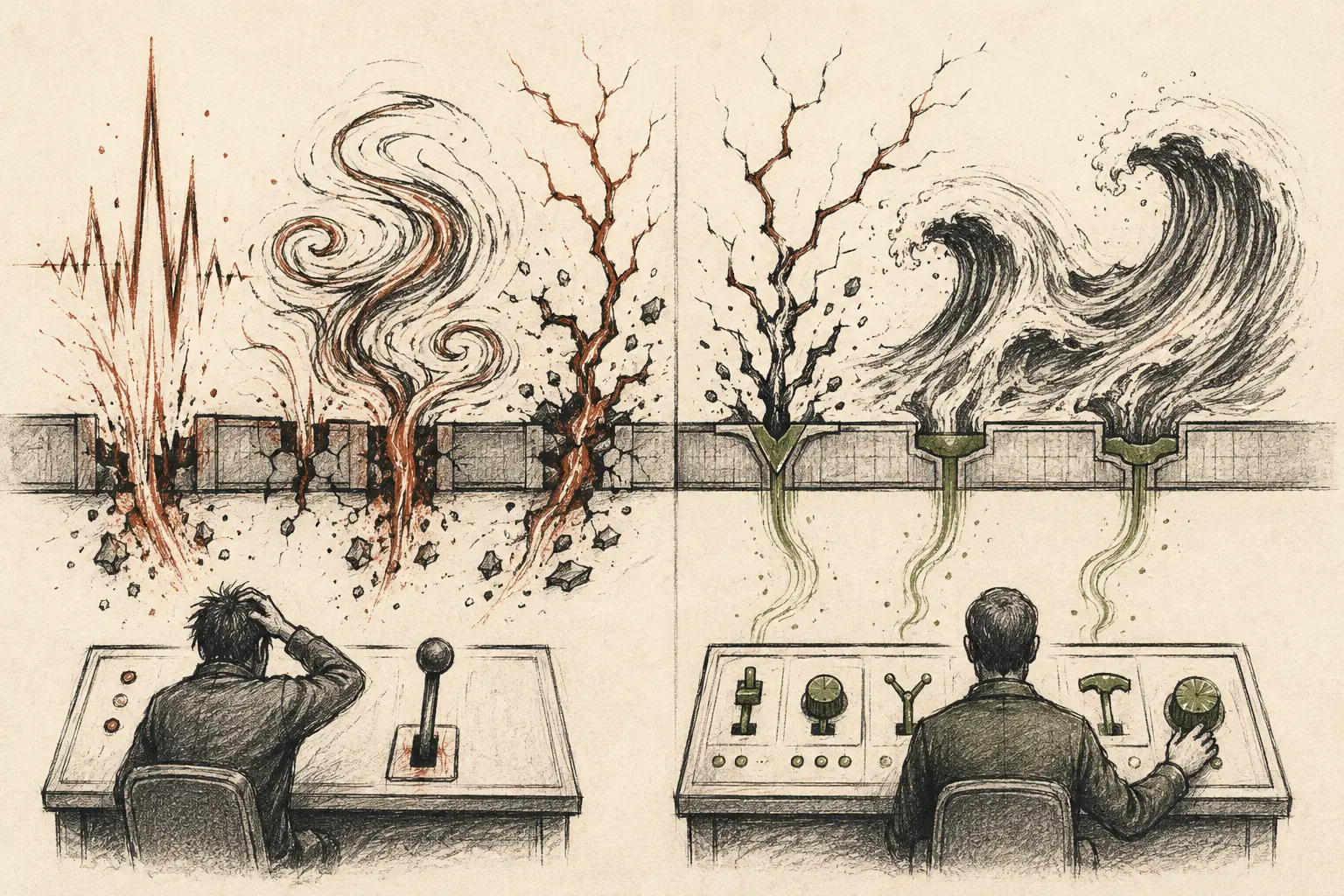
Keep the differences that change what you should do, and group the cases where one response really works.
Requisite Variety
When different situations need different actions, the system needs enough ways to respond without treating every case as special.