The Lucas Critique
Old behaviour becomes weak evidence when a new rule gives people new reasons to choose differently.
A relationship learned under one set of rules can stop holding when a new policy changes what people expect and do.
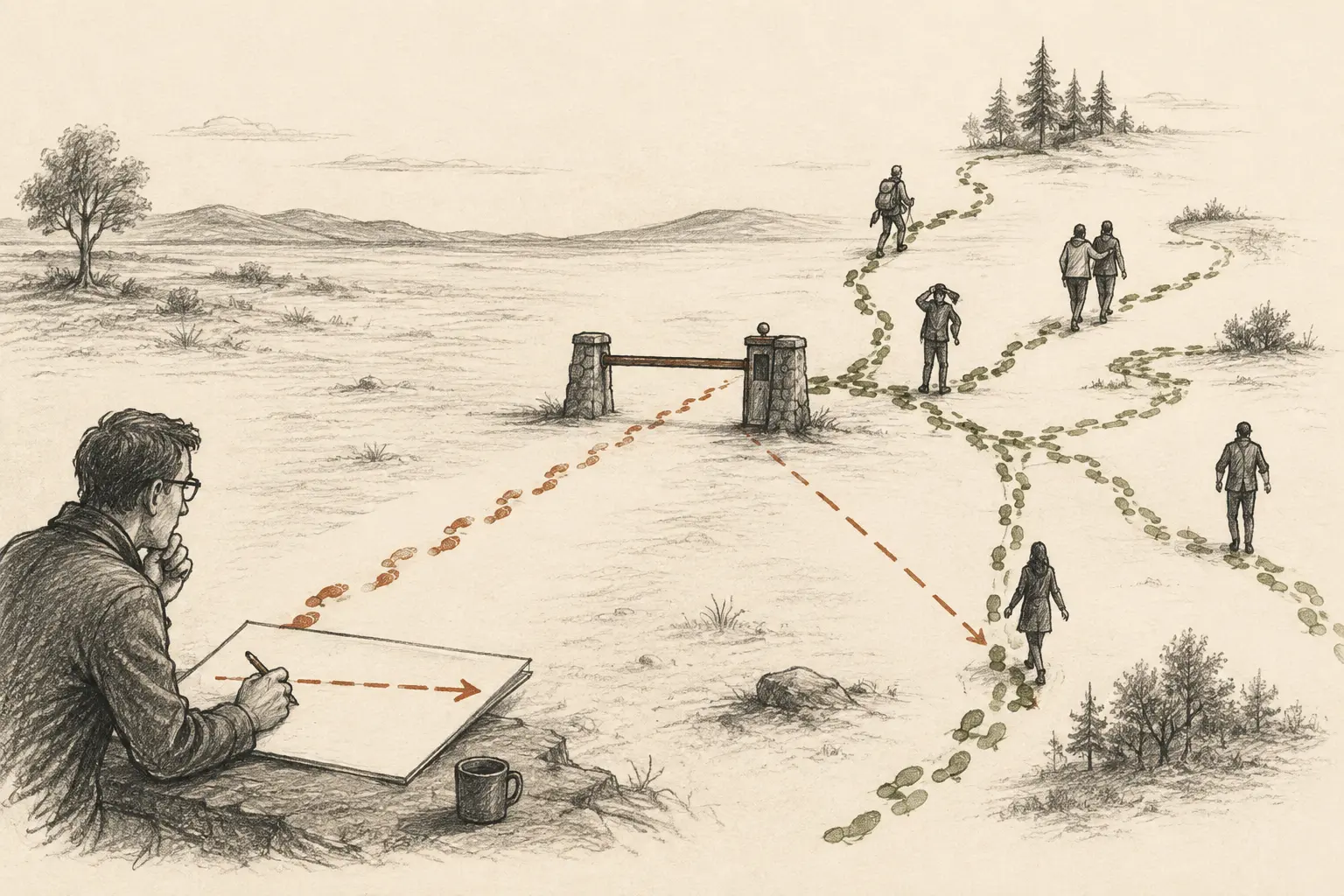
A rule change can break the forecast
A forecast can fit months of historical behaviour and still fail when a policy changes the choices people have. The data describes what people did under the old rule. Once the rule changes, people can change their expectations and actions too.
That is the Lucas Critique: when a policy changes the behaviour that created an old relationship, the old relationship can stop being a useful forecast.
A simple example
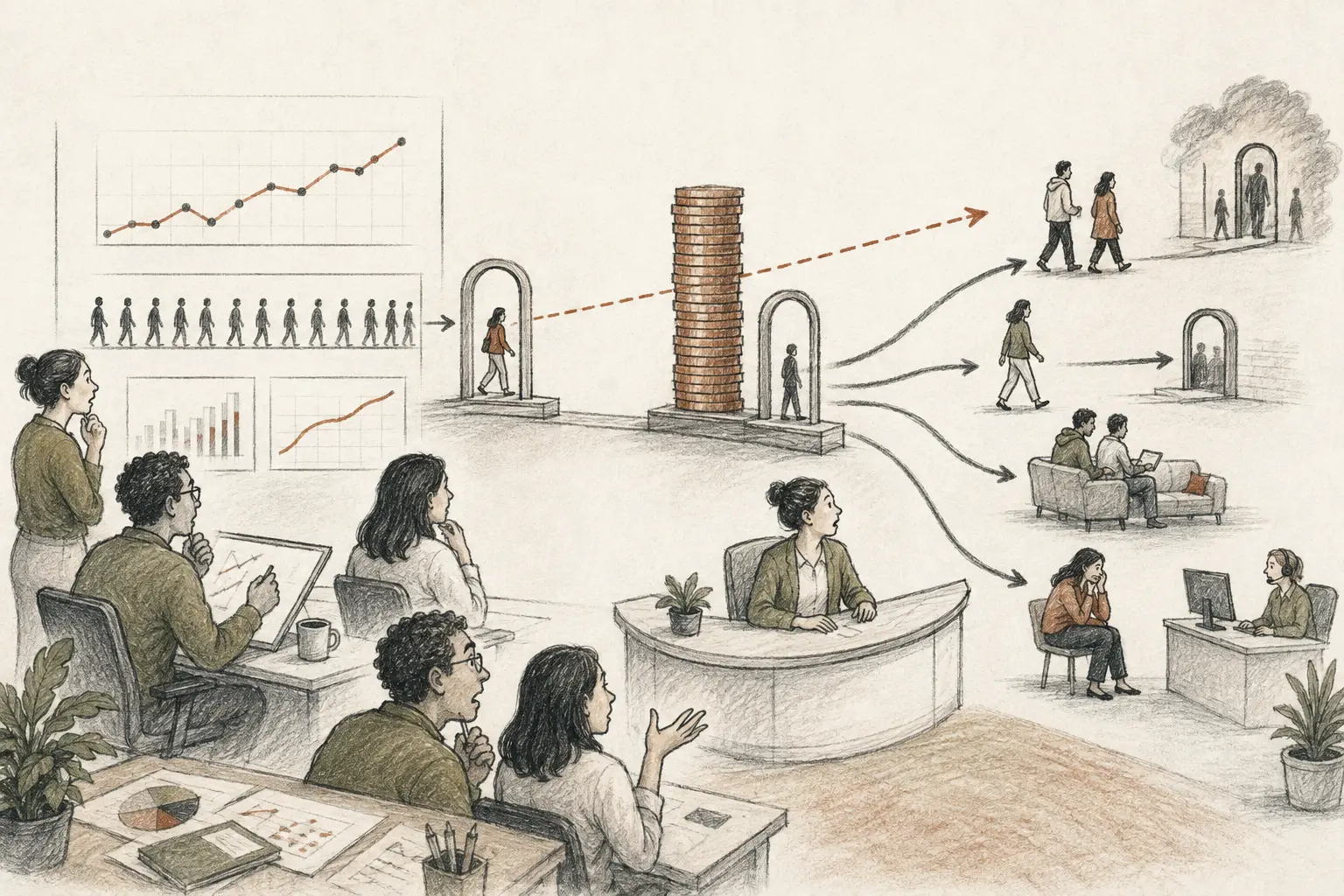
A subscription company sees that most customers renew each year. Its forecast assumes the same renewal pattern will continue after a substantial price increase.
The price changes more than the invoice. Some customers downgrade, share accounts, move to competitors or contact support before cancelling, while competitors adjust their offers too. The historical renewal rate was accurate at the old price. It is weak evidence for a price customers have never faced.
Why old data may stop applying
Old data comes from the old rule, the expectations it created and the choices people made under it. A new policy gives people new reasons to act, which creates a new pattern. A forecast can be mathematically precise and still describe a world that no longer exists.
Where this happens
Economics. This is where the model began. When monetary or fiscal policy changes, households, firms and investors respond to the rules they now expect, so a relationship estimated under one policy can shift under another.
Product and pricing. Conversion, retention and usage depend on price, limits, alternatives and expectations. Change one deeply enough and users may downgrade, substitute, share, delay or leave. Old cohorts need a new behavioural estimate.
Organisations and incentives. A narrow promotion rule can pull effort away from mentoring, maintenance and invisible coordination towards whatever it rewards. The old link between visible output and overall contribution then stops describing the work.
Software and security. Traffic before a rate limit may not predict traffic after it. Once people can see the limit, ordinary clients batch requests, integrators change schedules and adversaries split identities or routes.
Forecast the response to the rule
Use this model before changing prices, policies, incentives, limits, ranking systems or approval rules that people can anticipate and respond to.
Ask:
- Which parts of the old pattern come from hard constraints?
- Which parts exist because of the current rule?
- What will people expect after the change?
- Which new choices become attractive once they adapt?
- Can we pilot, reverse or monitor the change for early shifts?
Nearby models
Goodhart's Law is about a measure losing meaning when it becomes a target. The Lucas Critique is about a forecast losing validity because a new policy changes the behaviour that produced its historical relationship. The Red Queen Effect describes ongoing adaptation between competitors. The Lucas Critique can apply after one rule change.
Old relationships may still help when the change is small, the constraint is physical or people have no practical way to respond. Start with the history, then separate those hard constraints from the behaviour people can change once they see the new rule.