Normalization of Deviance
When a workaround keeps getting away with it, people can forget why the original boundary existed.
A risky shortcut can start to feel normal when it works a few times, even though the danger is still there.
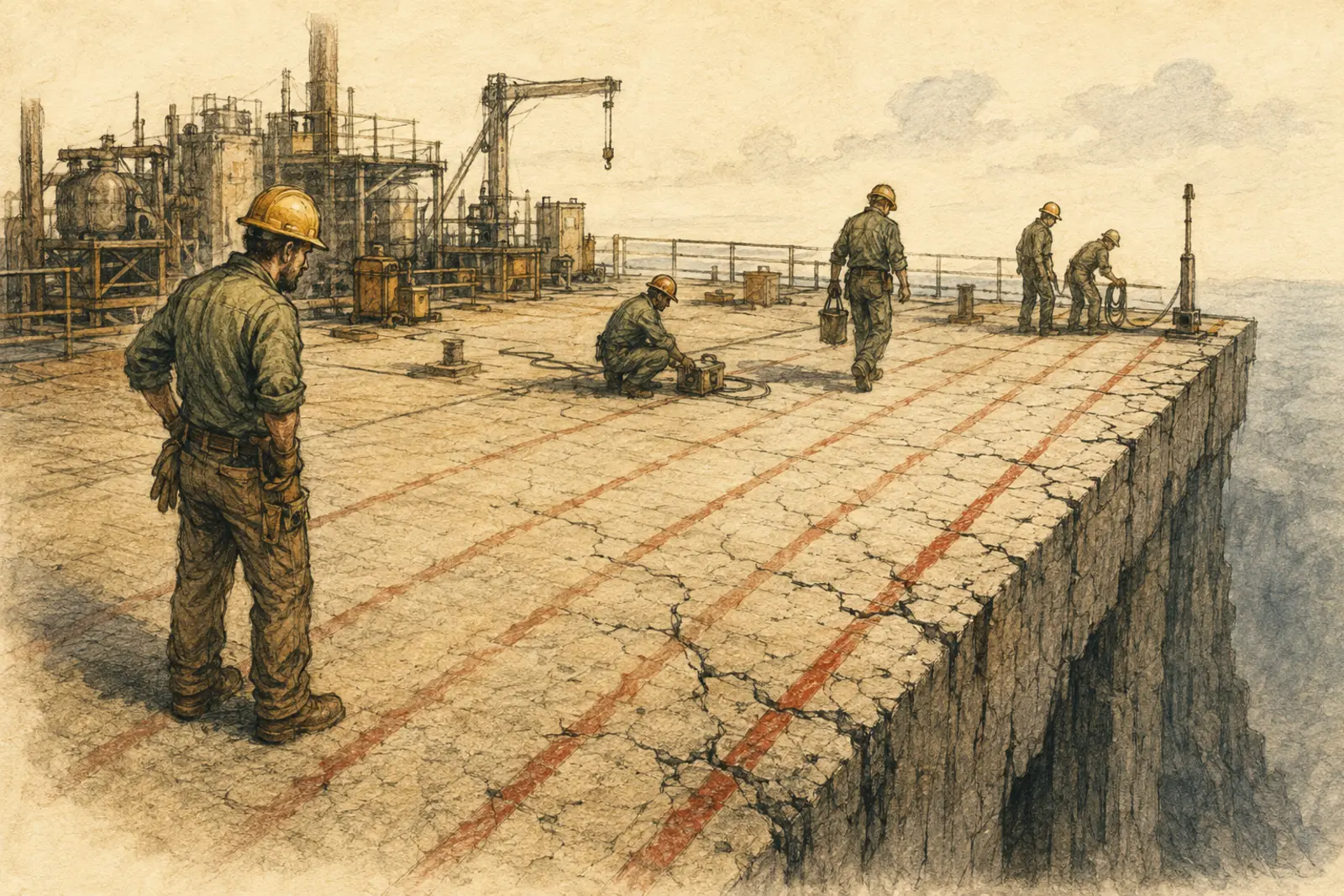
How a shortcut becomes the normal way of working
When a team bends a rule to get through something urgent and nothing bad happens, the next shortcut feels easier. After enough successful exceptions, the original boundary starts to look fussy and the workaround becomes the real process, even though nobody decided the risk had changed.
That is normalization of deviance: repeated breaks from a standard start to feel normal because they have not caused an obvious failure yet.
Getting away with a risky shortcut only tells you that it has not failed so far.
When people stop trusting the warning
Imagine an operations team with a noisy overheating alert. It clears by itself most nights, so people learn to acknowledge it and keep working.
One night the cooling fan has stopped. When the same amber light appears, the tired on-call engineer assumes it is more noise and goes back to the queue.
By morning, overheating has caused a payment outage and support is handling affected customers. The alerting system had already failed in practice because repeated false alarms taught the on-call team that the warning was safe to ignore.
The hardware risk stayed the same even as the team became less likely to act on the alert.
Where repeated exceptions become normal
Aerospace and engineering. The Challenger investigation found O-ring damage on earlier flights. Rather than redesigning or grounding the shuttle, people gradually accepted more damage. Each successful launch made it feel safer, even as evidence of a seal problem kept building. NASA's Rogers Commission report documents how the accepted amount of damage widened.
Software and operations. Temporary feature flags stay on, manual database fixes become routine and alerts get silenced because they interrupt work more often than they reveal incidents. Each choice makes sense in the moment. Over time, the documented process stops matching what people actually do, and the on-call engineer has to depend on unwritten workarounds.
Healthcare. A required check may be skipped when staffing is thin or the workflow is badly designed. If patients appear fine, the shortcut can spread through imitation and time pressure. The same drift happens when repeated shortcuts replace the written process. Healthcare also needs room for judgment at the bedside, so it matters why the workaround exists. AHRQ's patient-safety review discusses how unsafe departures can become ordinary practice.
Everyday life. A family keeps driving a car with an intermittent brake warning because it has stopped safely every time. The warning feels less urgent after repeated safe trips, though the brake fault has not been repaired.
Resetting the line
Use this model when you hear:
- “It has always been fine.”
- “Everyone does it this way.”
- “The official process is unrealistic.”
- “We will fix it after this deadline.”
Ask what standard originally existed, when practice drifted, which near misses were reclassified as normal, and who absorbs the risk if luck runs out.
Then separate two problems. If the standard still protects something important, restore it and remove the pressure that makes people bypass it. If it is genuinely outdated, change the standard explicitly and record the evidence. Repeated exceptions do not show that the risk has gone away.
The limit
Standards can be wrong, and teams sometimes learn a safer way through experience. The warning sign is a change nobody examined and people defend mainly by saying, “nothing has gone wrong yet.”
Hysteresis is about a past condition that still shapes the present. Normalization of deviance is about repeated exceptions changing what the team now accepts as normal. Goodhart's Law needs a target or measure. Normalization of deviance can happen without either.