Chesterton's Fence
Why is this still here, and what happens if we remove it?
Before removing a rule or process that looks pointless, learn what problem it was built to stop.
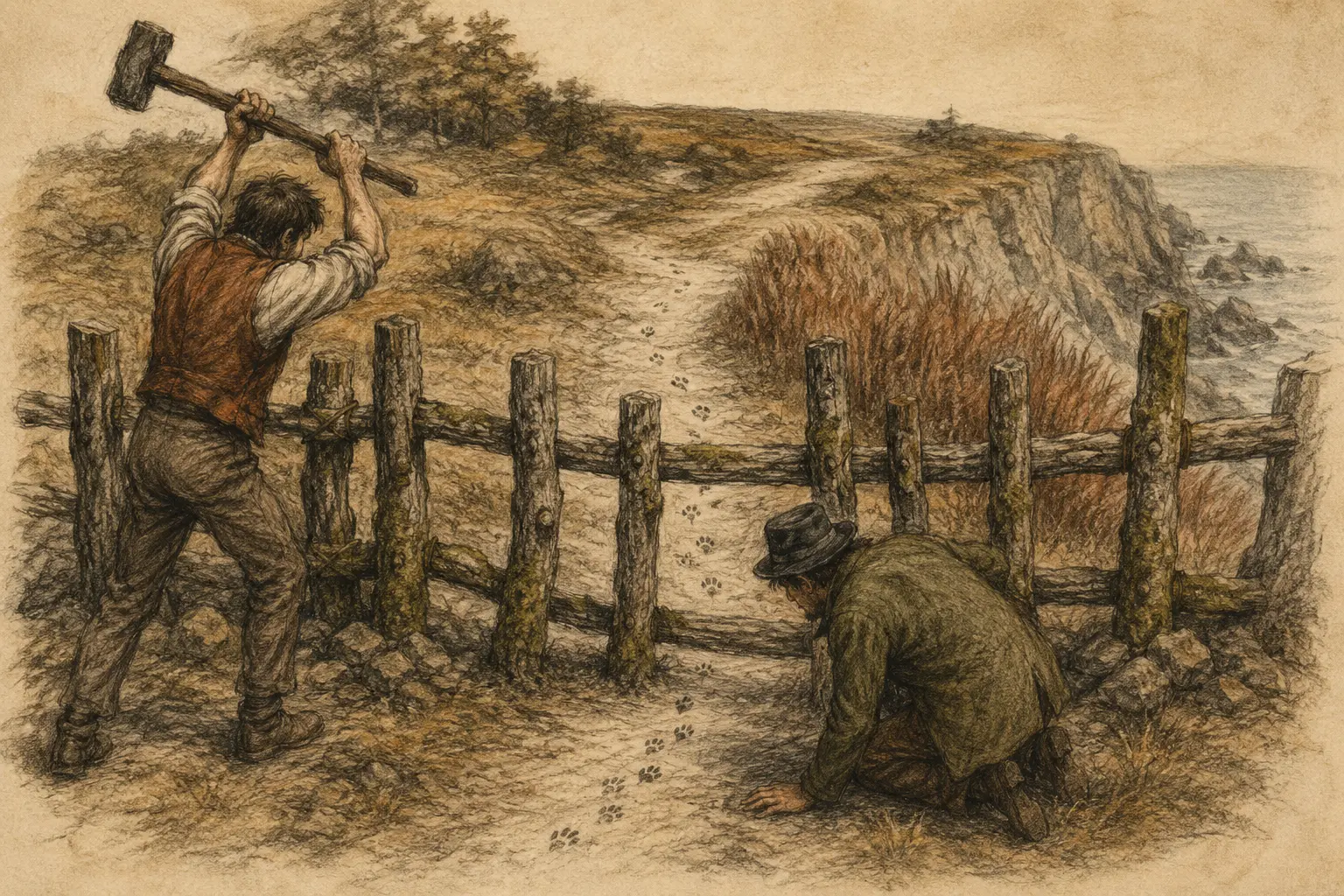
The safeguard looks pointless when its job is being done
Old systems are frustrating because you can see the delay a safeguard creates, while the payment error, lost record or security breach it prevents is absent. That makes the second approval or old check look pointless.
Chesterton's Fence says to understand the original problem before removing the protection. If the old problem stopped after the safeguard arrived, the safeguard may be doing its job.
Why a second approval existed
A team requires two people to approve any change to how payments are routed. It feels slow, so someone proposes letting one person make the change alone.
The team then finds that the rule was added after one mistaken edit sent payments through the wrong provider. They can now add an automatic check and require second approval only for changes that could redirect money.
They understood the fence and replaced it without bringing the old failure back.
What a fence may be protecting
Software. Some old code keeps newer versions of a product working with customer data created years ago. Before deleting it because it looks messy, trace which people and records still depend on it and decide how those records will be moved safely.
Law and policy. Procedural safeguards often look wasteful precisely because the abuse they prevent has become less visible. Use the history to understand the abuse the safeguard was meant to prevent, then check whether that risk still exists.
Organizations. A recurring meeting may have started because two teams repeatedly made conflicting decisions. The meeting can stop once another process prevents those teams from making conflicting decisions.
Families and relationships. A boundary can look disproportionate when you didn't live through the event that produced it. Understanding why the boundary exists helps the conversation, and the people affected can still renegotiate it.
Understanding the old reason doesn't mean keeping the old solution
Some safeguards outlive their purpose or were poor decisions from the beginning, and the people who benefit from them can use history to block change.
Once you know which failure the fence addressed and whether it still exists, you can keep it, replace it, or remove it deliberately.